


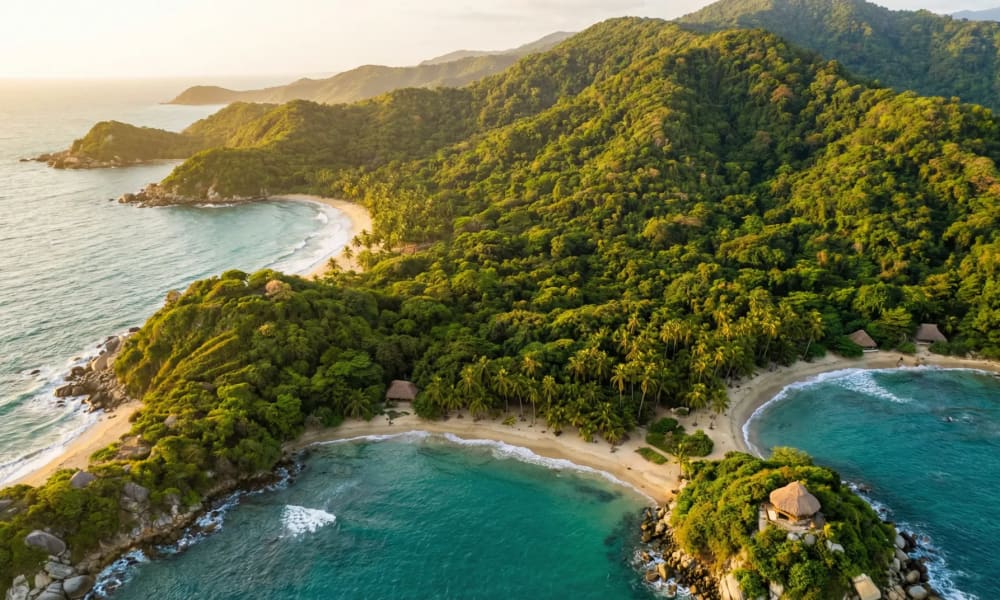
This image was generated with AI.
Colombia national parks
Tayrona, Cano Cristales & the best natural destinations
Tayrona, Cano Cristales & the best natural destinations
Ten percent of all known animal and plant species on Earth — on just 0.7 percent of the global land area. Colombia is the most biodiverse country in the world per square kilometer: over 1,950 bird species (world record), 456 mammal species, more than 26,500 plant species, and 3,000 butterfly species. The approximately 60 national parks and nature reserves protect about 15 percent of this extraordinary nature — three of them carry the title of UNESCO World Heritage.
Why this diversity? Colombia is located at the crossroads of five ecosystems: Caribbean, Pacific, Andes, Amazon, and Llanos. No other country unites such different habitats in such a small space. For you as a traveler, this means: Within a single Colombia round trip , you will experience Caribbean jungle beaches, snow-covered volcanoes, the most biodiverse rainforest on Earth, and a river that shines in five colors.
This guide introduces you to the most important Colombia national parks — with specific prices, booking information, and the seasonal closures you need to know when planning. You can find more nature experiences in our article about the most beautiful national parks in Latin America and in the contribution to Colombia's 1,950 bird species .

An overview of the most important Colombia national parks
Tayrona National Park — where jungle meets the Caribbean
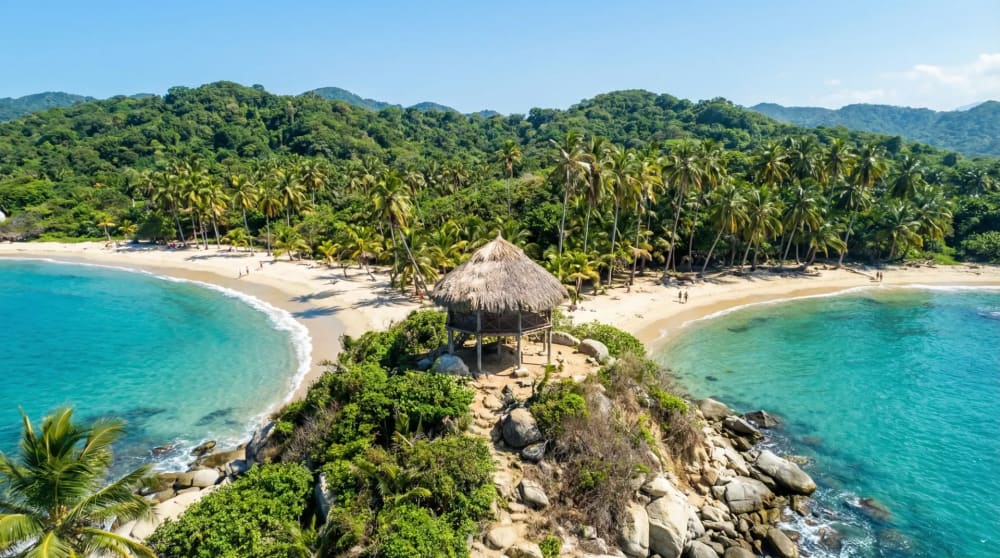
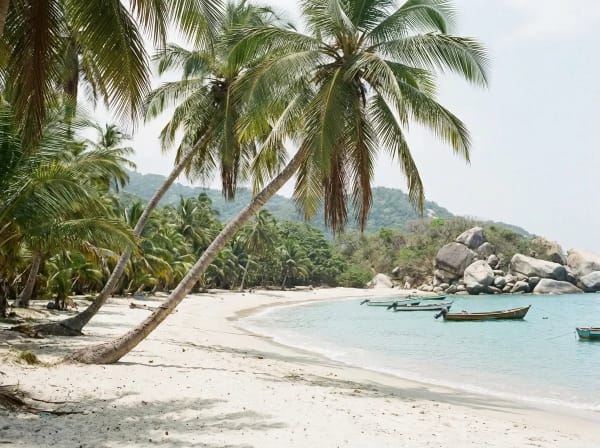
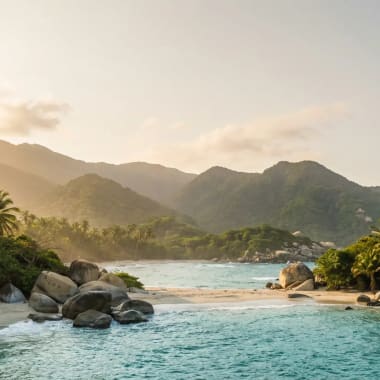
The scent of damp earth mingles with salty air, howler monkeys call from the canopy, and around the next bend, a turquoise bay opens up, lined with coconut palms. Colombia's most famous national park stretches over about 15,000 hectares between dense rainforest and the Caribbean coast at the foot of the Sierra Nevada de Santa Marta. Protected bays, pre-Columbian cultural sites of the Tairona, and a diverse animal life make Tayrona National Park a must-visit on any trip to Colombia. With over 615,000 visitors in 2024, it is one of the most visited parks in the country.
The most beautiful beaches: Cabo San Juan del Guia — the most famous photo spot, where two bays meet. La Piscina — protected, calm water, ideal for swimming. And Playa Chengue for a bit more seclusion. Warning: Swimming at Arrecifes is strictly prohibited due to deadly rip currents — take red flags seriously. The hike from the main entrance El Zaino to Cabo San Juan takes about two to three hours.
Our Tayrona National Park tip for culture enthusiasts: The pre-Columbian ruins of Pueblito Charaima, a further 1.5-hour hike from Cabo San Juan. Most day tourists are not familiar with this place — making the experience even more impressive.
From Santa Marta as a base, you can reach Tayrona National Park in one hour by bus (from about 12,000 COP). In the park itself, you can also enjoy excellent snorkeling — the underwater world of the Caribbean coast surprises with its diversity.
Tayrona National Park
- Location — Caribbean coast, 34 km from Santa Marta
- Entrance foreigner — 77,500 COP (~18 EUR) off-season
- Closures — Feb, June, Oct-Nov (annually)
- Visiting time — 2-3 days recommended
- Booking — reservas.parquesnacionales.gov.co
- Important — Only online tickets, no cash at the entrance
Our tip: Stay overnight in the park
Those who sleep in the park — whether in a tent at Cabo San Juan or in the ecohabs at Canaveral — experience the beaches in the morning and evening without day tourists. The best hours are between 6 and 9 a.m., when the light is soft and the beach almost belongs to you alone. Avoid high season (December/January, Semana Santa) or book far in advance. More about the best travel time .
Insider tip
Do you want to experience Tayrona National Park and the Caribbean coast on a well-thought-out route? Our Nature round trip Tayrona & Amazon connects the most beautiful natural destinations in Colombia — personally planned by our Colombia experts. Now inquire without obligation .
Cano Cristales — the rainbow river
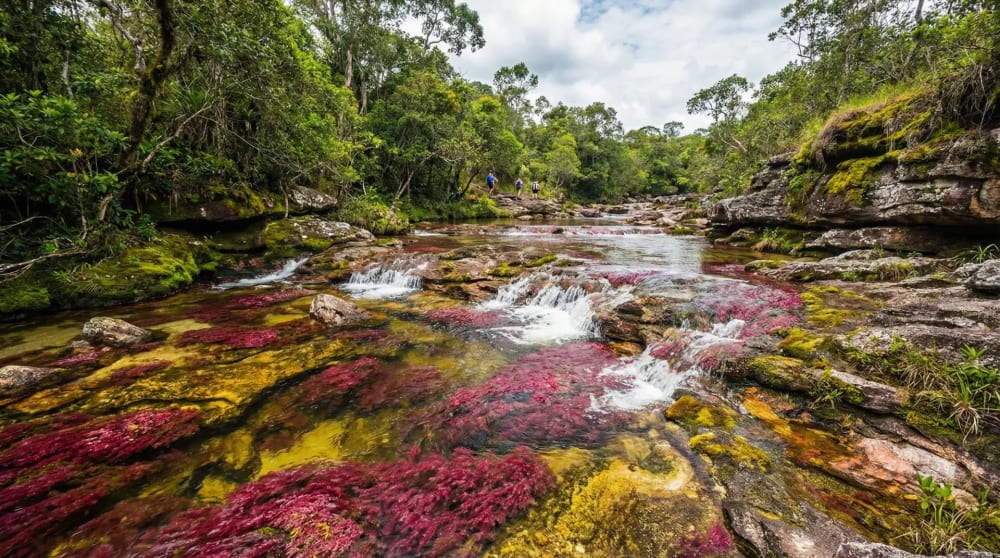
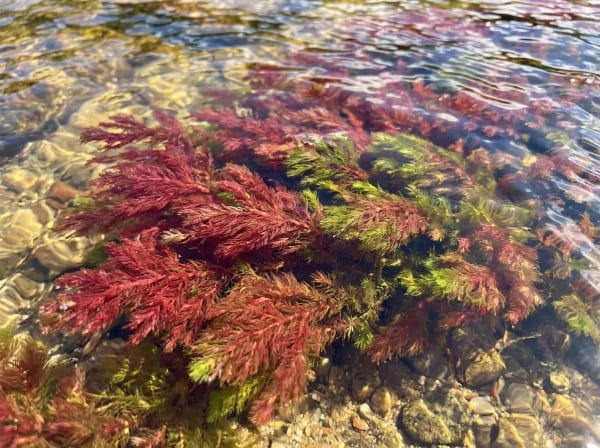
A river that shines in red, magenta, yellow, green, and blue — no filter, no trick. Cano Cristales is only accessible from mid-June to mid-November, but anyone who makes it into this time window experiences a natural spectacle unlike any other in the world. The bright colors come from the endemic aquatic plant Macarenia clavigera, which only develops its full color brilliance at certain water levels. The river shines most intensely between July and October.
The surrounding national park Serrania de la Macarena covers 630,000 hectares and is geologically 1.2 to 1.8 billion years old — one of the oldest mountain ranges on Earth. Located at the junction of four ecosystems (Andes, Orinoquia, Amazonia, Llanos), it is regarded as a biogeographical island of extraordinary species diversity.
An independent visit without a certified guide is not allowed. A maximum of 200 visitors per day can enter the park — early booking is therefore highly recommended. Access is only possible by flight to La Macarena; there is no road connection. You can find detailed information on our Cano Cristales detail page .
Cano Cristales / Serrania de la Macarena
- Location — Departamento Meta, flight from Bogota
- Total costs — Approx. 300,000 COP (~70 EUR) fees
- Season — Mid-June to mid-November
- Visiting time — 4-5 days from Bogota
- Important — Guide required, max. 200 visitors/day
Observe the season: Closed completely outside
Cano Cristales is closed to visitors from December to around mid-June. Even during the season, the river does not color every day equally — you have the best chances for full color brilliance between July and October. The 200-person limit per day leads to bottlenecks in high season. We recommend planning at least three months in advance.
Serrania del Chiribiquete — UNESCO World Heritage in the rainforest
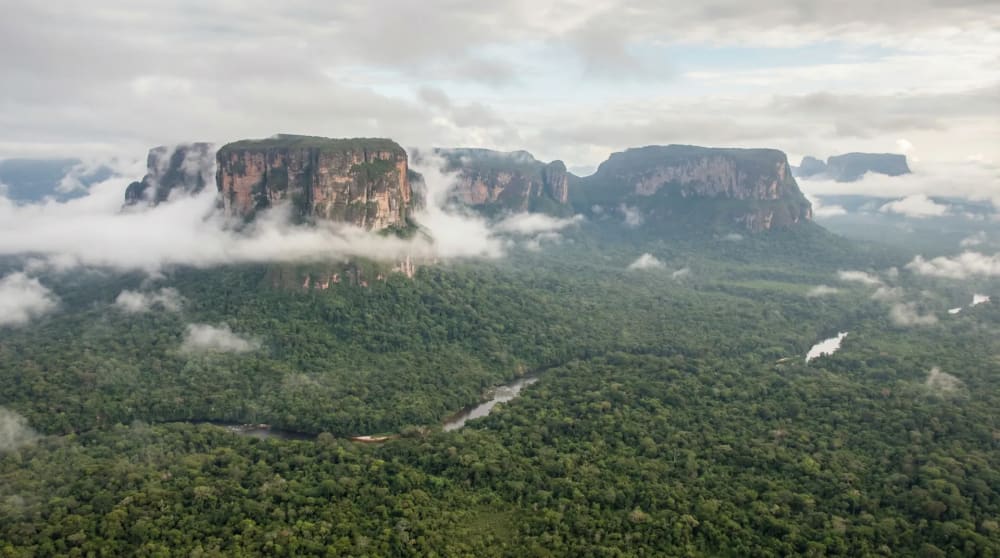
With 4.3 million hectares, Chiribiquete is the largest tropical national park in the world. Since 2018, it carries the title of UNESCO World Heritage — as a mixed natural and cultural heritage, a rare distinction. Spectacular Tepui table mountains rise above untouched rainforest, and over 75,000 prehistoric rock paintings at least 60 rock shelters tell of a settlement that dates back at least 20,000 years. The jaguar is the focus of the depictions — UNESCO aptly calls the area 'The Maloca of the Jaguar'.
No public visit possible
Chiribiquete is not accessible for general tourism — uncontacted indigenous peoples live in the park, and only scientists gain access. We still include the park in this guide because it uniquely represents Colombia's nature and national parks. For travelers who still want to experience Chiribiquete up close: Specialized agencies occasionally offer helicopter tours — without landing in the park.
Los Nevados — volcanoes and paramo at 5,321 meters
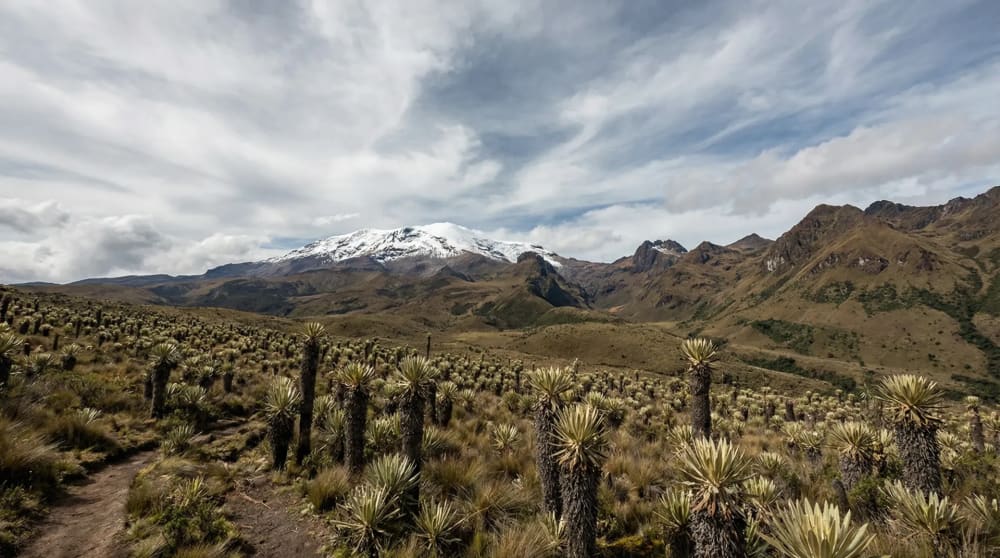
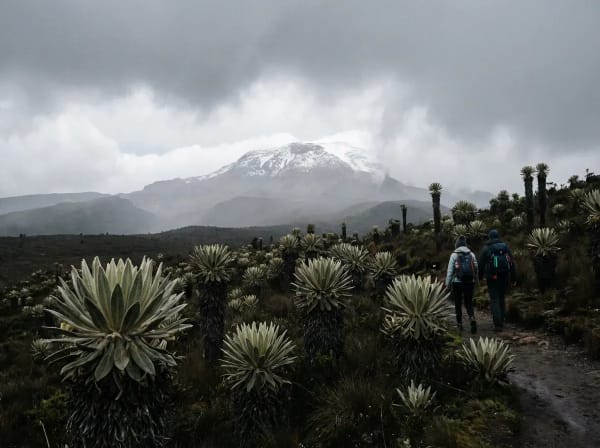
From turquoise blue Caribbean water to snow-capped volcanic peaks — this contrast makes Colombia's nature and national parks so special. Los Nevados unites several extremes over 583 square kilometers in the Central Cordillera: the active Nevado del Ruiz (5,321 m), the perfectly formed Nevado del Tolima (5,200 m), and the Nevado Santa Isabel (4,965 m), which is considered the most accessible glacier for ambitious hikers. In between: Paramo vegetation with the characteristic frailejones and the tallest palm trees in the world.
Los Nevados is only a few hours from the coffee region and can be excellently combined with the Valle de Cocora — there stand Colombia's wax palms, the national tree of the country, up to 60 meters high. Those lucky enough may spot Andean condors, spectacled bears, or mountain tapirs.
Los Nevados National Park
- Location — Central Cordillera, near Salento/Manizales
- Entrance — 27,000-38,000 COP (~6-9 EUR)
- Best time — Dec-Mar and Jul-Aug
- Visiting time — 2-4 days (Trek)
- Important — Pay attention to altitude acclimatization, check volcano status
Check volcano activity before visiting
The Nevado del Ruiz is an active volcano. Always check the current status on sgc.gov.co (Colombian Geological Service) before visiting — access will be restricted without warning during heightened activity. Our recommendation: Start from Salento (1,895 m) and plan at least one night in the Coffee region for altitude acclimatization before climbing over 4,000 meters.
Sierra Nevada del Cocuy — Glacier trekking for experienced
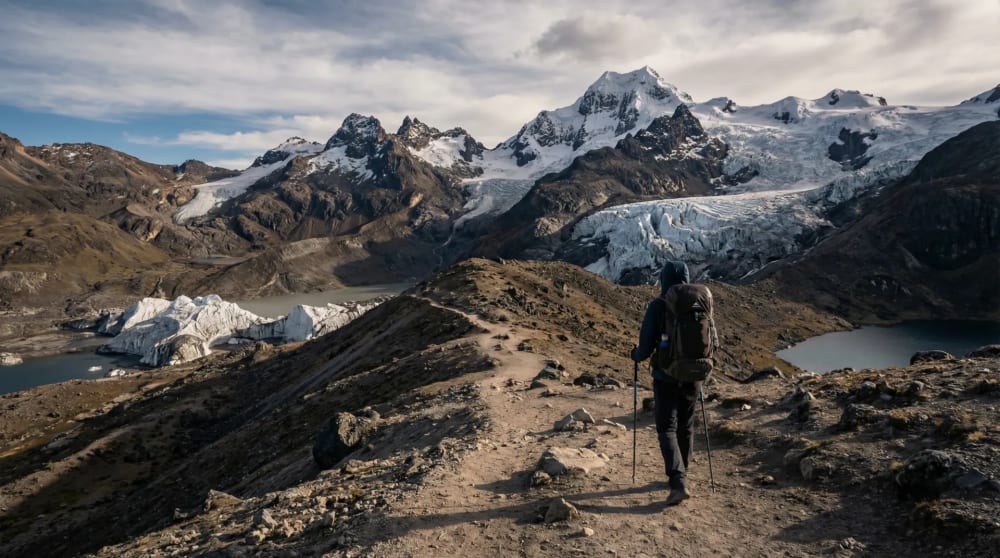
Sixteen snow-covered peaks, of which fifteen are over 5,000 meters, led by the Ritacuba Blanco (5,410 m): El Cocuy in the Eastern Cordillera hosts the largest concentration of glaciers on the Colombian mainland. The glaciers are visibly melting — those who still want to experience them should not wait too long.
The park is currently limited to day trekking. Multi-day tours and summit ascents are restricted; the eastern area is permanently closed as it is the sacred territory of the U'wa. A guide may accompany a maximum of four people, children under ten years old are not allowed. Available day routes: the Ritacuba Blanco Trail (approx. 13.8 km), Pulpito del Diablo, and Laguna Grande de la Sierra. Snow and ice may not be entered out of respect for the spirituality of the U'wa.
Base for El Cocuy is the towns of El Cocuy and Guican, about ten hours by bus from Bogota . The situation between indigenous rights and tourism is dynamic — we recommend obtaining current safety information before the visit and directly inquire about the park status at Parques Nacionales.
El Cocuy National Park
- Location — Eastern Cordillera, Boyaca, 10h from Bogota
- Entrance — Inquire directly at Parques Nacionales
- Best time — December to March
- Visiting time — 3-5 days
- Important — Day trips only, guide required (max. 4 people)
Amacayacu — Pure Amazon
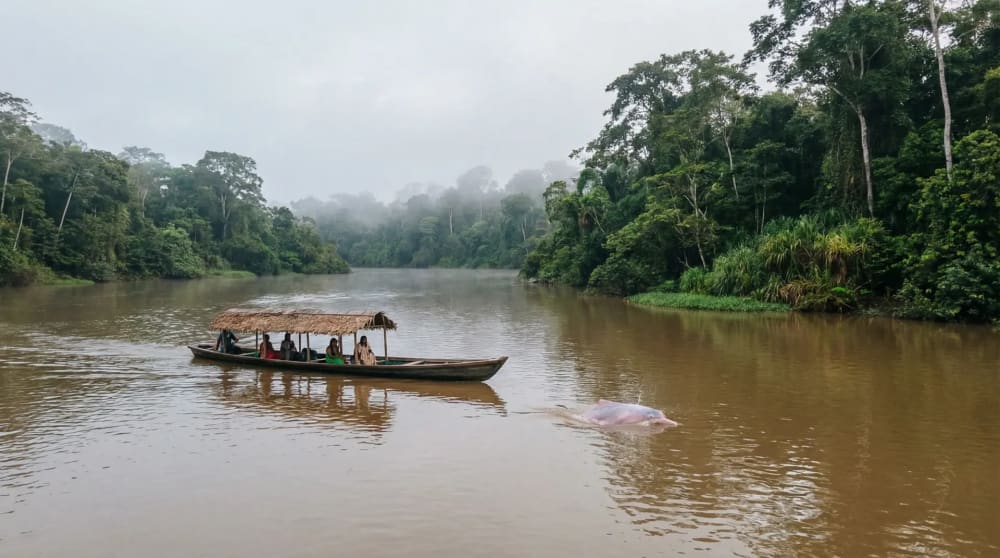
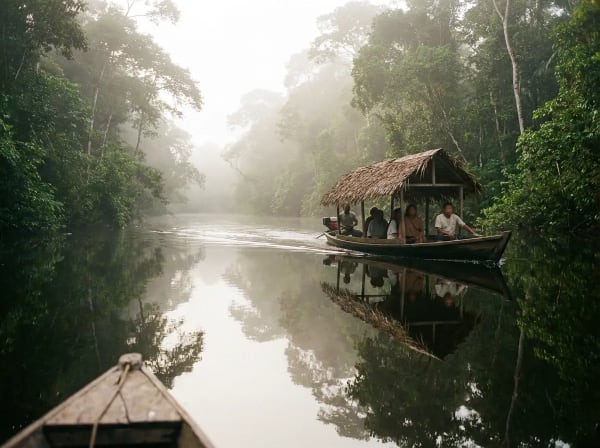
In the far south of Colombia, on the border with Peru and Brazil, lies one of the least visited and yet most biodiverse national parks in the country. Amacayacu — "River of the Hammocks" in Quechua — protects 2,935 square kilometers of Amazon rainforest: over 5,000 plant species, 468 bird species, 150 mammal species including pink river dolphins, Amazon manatees, and tiny pygmy marmosets. Those who take birdwatching in Colombia seriously will find almost a third of the entire national bird population in one place.
The indigenous Tikuna people inhabit the park region — community-based ecotourism is the central sustainability strategy. Four official hiking trails lead through different ecosystems: Chagras (local agriculture), Selva (jungle wildlife), Acuaticos (river tours), and Miquiando (primates). The highlight that impresses our travelers the most: night boat tours on the Amazon with caiman sightings and the overwhelming soundscape of the nighttime rainforest.
Getting there: Flight from Bogota to Leticia (1.5 hours), then speedboat to Puerto Narino (1.5 hours, three daily departures). The yellow fever vaccination is particularly important in the Amazon — Amacayacu is located in one of the main risk areas.
Amacayacu National Park
- Location — Amazon, border Peru/Brazil
- Entrance — Approx. 30,000 COP (~7 EUR)
- Best time — July-August (relatively dry)
- Visiting time — 3-5 days
- Important — Guide required, yellow fever vaccination mandatory
Quick comparison: Which park fits your travel style?
| Park | Region | Highlight | Best time | Duration | Difficulty |
|---|---|---|---|---|---|
| Tayrona | Caribbean | Beach + Jungle | Dec-Apr | 2-3 days | Easy |
| Cano Cristales | Llanos/Meta | Rainbow River | Jul-Oct | 4-5 days | Easy |
| Chiribiquete | Amazon | Tepuis + Rock Art | — | — | Not accessible |
| Los Nevados | Andes | Volcanoes + Paramo | Dec-Mar, Jul-Aug | 2-4 days | Medium-Hard |
| El Cocuy | Eastern Cordillera | Glacier trekking | Dec-Mar | 3-5 days | Hard |
| Amacayacu | Amazon | Rainforest + Dolphins | Jul-Aug | 3-5 Days | Easy |
Booking, tickets, and entry
The booking conditions differ significantly depending on the park. The most important rule up front: For the Tayrona National Park, online pre-booking is mandatory. Without a valid reservation, you will be denied entry — no cash will be accepted at the park entrances.
Book Tayrona online — step by step
- Call reservas.parquesnacionales.gov.co to
- Select "Tayrona National Natural Park" and your desired entry date
- Specify your visitor category and number of people
- Pay within 48 hours of the reservation — otherwise, it will be automatically canceled
- Present the QR code at the sector entrances El Zaino or Canaveral
National park entry prices Prices valid as of 2025/2026. Exchange rate approx. 4,300 COP = 1 EUR. Yellow fever vaccination proof also required. All information without guarantee — current prices on parquesnacionales.gov.co.
Mandatory yellow fever vaccination since May 2025
Since May 3, 2025, proof of a valid yellow fever vaccination will be controlled at all Colombian national park entrances. The vaccination must be completed at least 10 days before visiting the park — a vaccination at Bogota airport is therefore not a fallback solution. Bring your physical WHO vaccination card (ICVP) with you. Without proof, you can sign a waiver, but entry is not guaranteed. Costs in Germany: approx. 50 to 80 EUR. Detailed information in our guide to Vaccinations and Health in Colombia .
Seasonal closures — when which parks are closed
One of the most common causes of disappointment for travelers to Colombia: parks that are closed at the planned time of travel. Particularly, the Tayrona National Park has a complex closure pattern — three times a year, the park is closed for indigenous ceremonies of the Kogi community. These closures are not an obstacle but an expression of conservation that respects indigenous rights.
| Park | Regularly closed | Reason | Best visiting time |
|---|---|---|---|
| Tayrona | Feb 1-15, June 1-15, Oct 19-Nov 2 | Indigenous Kogi ceremonies | Dec-Apr (outside of closures) |
| Cano Cristales | Dec to mid-June | Outside the color season | Jul-Oct (most intense colors) |
| Los Nevados | No regular closure | Short-term during volcanic alert | Dec-Mar, Jul-Aug |
| El Cocuy | No regular closure | Restrictions on U'wa territory | Dec-Mar |
| Amacayacu | No regular closure | — | Jul-Aug |
| Chiribiquete | Permanently closed | Protection of uncontacted peoples | — |
Always check the current status
In addition to the regular closures, extraordinary closures may occur — like the temporary closure of Tayrona in February 2026 for security reasons. Our experience shows: Always check the current status on parquesnacionales.gov.co before booking flights or accommodations. We take these closures into account in planning your itinerary. More on optimal travel planning in our guide to the best travel time for Colombia .
Rules and behavior guidelines
Colombia's national parks are sensitive ecosystems with partly deep spiritual significance for indigenous communities. The most important rules at a glance:
- In general: No plastic bags, no trash left behind, no plants or animals removed, no wild camping
- Tayrona: Swimming only at designated spots. Absolute swimming ban at reefs — rip currents have already cost lives here. Pay attention to caiman warning signs
- El Cocuy: Do not enter snow and ice — sacred to the U'wa. Only use designated day routes
- Cano Cristales: Swimming in the river is prohibited. No chemical sunscreens in the water — the fragile ecosystem of Macarenia clavigera is sensitive
- Amacayacu: Respectful interaction with the Tikuna communities. Photography only with explicit permission
The right equipment makes the difference — our Colombia packing list helps you prepare. General safety tips can be found in our Safety Guide and in the blog article Traveling safely in Colombia — the truth .
Plan Colombia's national parks into your trip
Colombia's national parks are far apart — the right route planning makes the difference between a good and a great journey. Here are typical itineraries for the parks:
- Caribbean route (Tayrona + Santa Marta + Cartagena): 10-14 days, ideal for first-time visitors. Our Coffee & Caribbean Tour connects the most beautiful stations
- Nature intensive (Tayrona + Cano Cristales + Amazon): 3 weeks, for nature lovers with more time. Our Nature Tour Tayrona & Amazon shows you the full spectrum
- Andes + Coffee (Los Nevados + Coffee region + Bogotá): 10-14 days with a trekking focus. Included in our 3-week intensive tour
- Cities + Nature (Bogotá + Medellín + Cartagena + Tayrona): The classic combination for those who want to connect culture and nature. Our City Tour makes it possible
Are you unsure which route suits you? Our article Latin America — where to travel? helps with the decision — or you can speak directly with our Colombia consultants.
More travel information for Colombia
- Best travel time — When the optimal months are for each park
- Vaccinations and health — Yellow fever and other mandatory vaccinations
- Safety — Current situation and practical tips
- Arrival and flights — Flight connections and domestic flights
- Entry and visa — Entry requirements for Germans
- Packing list — What you need for national park visits
- Birdwatching — 1,950 species and the best spots
Frequently asked questions about Colombia's national parks
Colombia has about 60 official protected areas in the national park system. Three of them are UNESCO World Heritage sites: Serrania del Chiribiquete (the largest tropical national park in the world), Isla de Malpelo (Pacific) and Los Katios.
Yes, since May 2025, proof of a valid yellow fever vaccination is mandatory for entry into all Colombian national parks. The vaccination must be administered at least 10 days before the visit. Without proof, entry is not guaranteed. Costs in Germany: approximately 50 to 80 EUR.
Tayrona is regularly closed three times a year for indigenous ceremonies of the Kogi community: early February (1st-15th), early June (1st-15th) and mid-October to early November (October 19th-November 2nd). In addition, extraordinary closures may occur — always check the status at parquesnacionales.gov.co in advance.
Through the official platform reservas.parquesnacionales.gov.co. Choose your park, date, and visitor category, and pay within 48 hours. No cash is accepted at the park entrances — only online paid reservations are valid.
The rainbow river Cano Cristales is only accessible from mid-June to mid-November. The most intense colors appear between July and October. Outside of the season, the park is completely closed. A maximum of 200 visitors per day are allowed to enter the park, a certified guide is required.
Tayrona is best suited for national park beginners: well developed, reachable from Santa Marta in one hour, moderate hikes, and the possibility to combine beach and nature experience. Chingaza (day trip from Bogotá, about 15 USD entry) is also a good entry option.
It depends on the park. You can explore Tayrona independently (with a pre-booked online ticket). Cano Cristales, Amacayacu, and El Cocuy require a certified guide. Chiribiquete is not accessible to tourists. For Los Nevados, a guide is highly recommended on multi-day treks.
Your dream holiday, tailor-made by true connoisseurs.
From the first spark of inspiration to the moment you return home full of stories, we’re by your side – whether by phone, email or WhatsApp, whenever you need us. Every journey we design is as unique as you are: individually crafted with exclusive privileges and exceptional arrangements that make your experience truly unforgettable.
Experts for your trip

You might also like this

This image was generated with AI.

This image was generated with AI.
This image was generated with AI.