

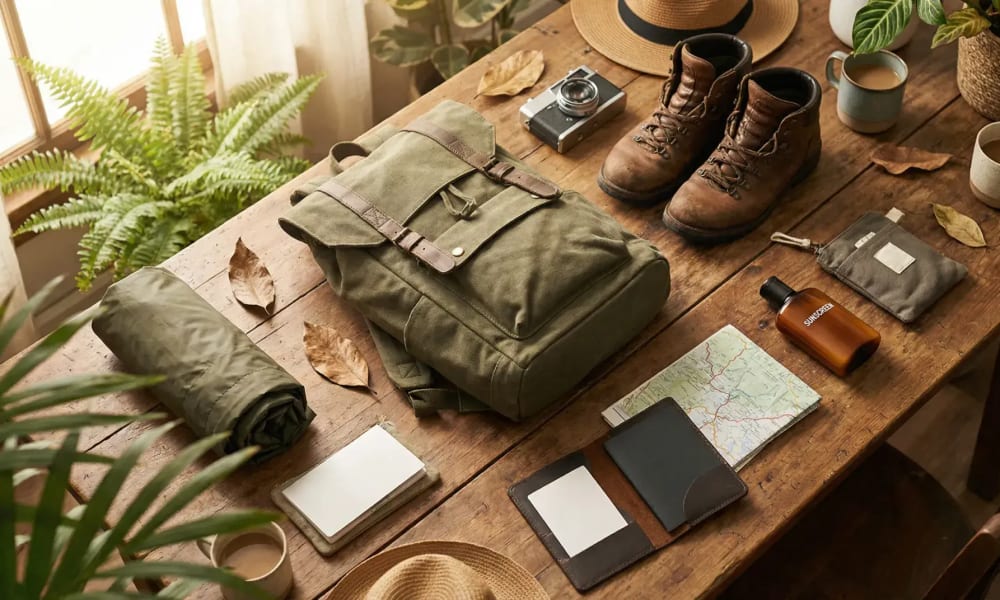
This image was generated with AI.
Packing list Colombia
For coast, mountains & rainforest
For coast, mountains & rainforest
From 33 degrees at the Caribbean beach in Cartagena to 7 degrees in Bogota — in under two hours flight. Colombia is one of the few countries where you can cross four completely different climate zones on a single round trip. This makes the right packing list for Colombia a real challenge.
From our experience with hundreds of travelers to Colombia, we know: The most common mistake is packing too much — and the wrong things. Those who understand the layering principle travel with a half-empty backpack and are prepared for every region. This packing list shows you exactly what you need for the coast, coffee region, Andes, and rainforest — and what you can confidently leave at home.
When you travel affects your Colombia packing list: During the rainy season (April/May and September to November), short, intense showers in the afternoon are almost daily — a light rain protection is then essential, you do not need heavy rain gear. In the dry season, often a thin windbreaker is sufficient. All details for optimal travel planning can be found in our guide to the best travel time for Colombia .

Clothing by climate zone — the layering principle
Colombia is located at the equator, has no classic seasons — the temperature largely depends on the altitude. This makes things simpler than expected: What you pack for June also works in December. The solution for four climate zones is called the three-layer system:
- Base layer: Light, breathable t-shirt or functional shirt. Our tip: Merino instead of cotton — Merino regulates temperature in heat as well as in cold, suppresses odor (important for longer trips without daily washing) and dries significantly faster than cotton in the humid tropical climate.
- Insulation layer: Fleece jacket or thin down vest for cool evenings in the coffee region and cold mornings in Bogota.
- Wind and rain protection: Light, compact foldable rain jacket or rain poncho — no heavy hardshell needed, as rain in Colombia is typically short and intense.
These three layers combined cover all climate zones — from the tropical Caribbean coast to the Andean highlands. Not many individual items, but smartly combinable layers are the principle of a good packing list for Colombia.
| Region | Altitude | Temperature | Recommended clothing | Special feature |
|---|---|---|---|---|
| Caribbean coast (Cartagena, Santa Marta) | 0–100 m | 24–33 degrees | Light, airy, UV protection | Evening formal dress code |
| Medellin | 1,495 m | 22–28 degrees | Light + light jacket in the evening | "Eternal spring" |
| Coffee region (Salento) | 1,800–2,100 m | 14–24 degrees | Layers, fleece for evenings | Cooler nights |
| Bogota | 2,640 m | 7–19 degrees | Layers, warm jacket essential | "Eternal autumn" |
| Amazon (Leticia) | 65–100 m | 25–35 degrees | Light, long, bright colors | Extremely humid, mosquito protection |
| La Guajira | 0–200 m | 24–45 degrees | Light, sun protection, hat | Desert, strong winds |
| Pacific coast | 0–100 m | 23–28 degrees | Light, quick-drying | Rainiest region |
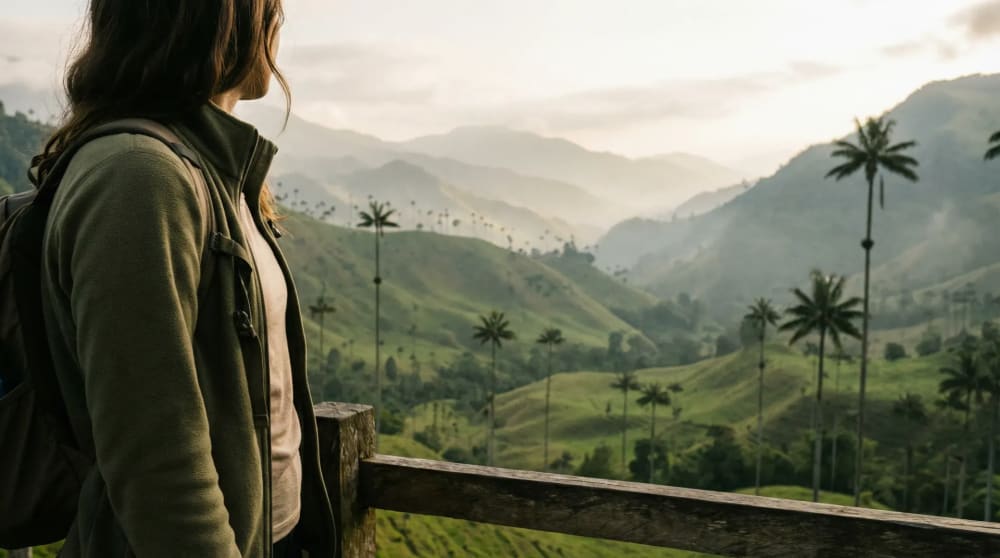
Caribbean coast and lowlands
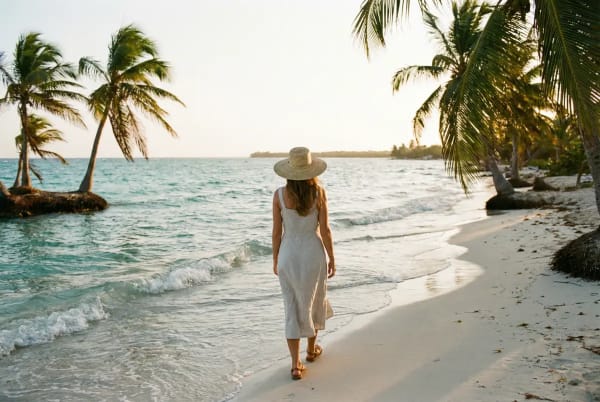
At the Caribbean coast — Cartagena , Santa Marta, and the Tayrona National Park — temperatures range from 24 to 33 degrees year-round with high humidity. Pack light, airy clothing: short-sleeved shirts, shorts, summer dresses. A UV protection shirt (rash guard) is highly recommended at the beach — the UV radiation at the equator is significantly more intense than in Europe, and sunburn on the first day of travel is one of the most common beginner mistakes.
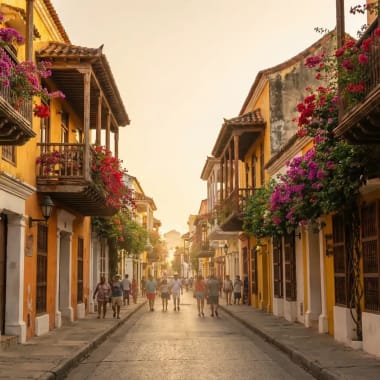
For evenings in Cartagena's old town, a somewhat dressier outfit is worthwhile: Colombians dress particularly well in cities, and restaurants often have a more formal dress code than is common in Europe. Those who also want to dive or snorkel should pack water shoes or reef sandals.
Highlands and coffee region
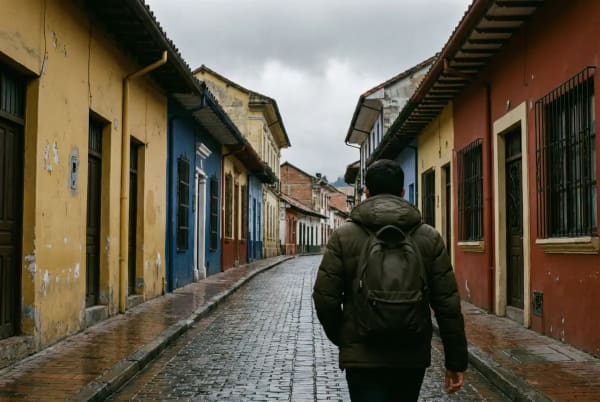
Bogota surprises many travelers who arrive with the impression that "Colombia is always hot". The capital is located at an altitude of 2,640 meters and has temperatures of 8 to 10 degrees in the morning, rising to 18 to 20 degrees at noon, and falling again below 13 degrees in the evening. Bogota connoisseurs speak of the "four-seasons-in-one-day" phenomenon. A warm jacket is essential — and must always be with you, not in the hotel.
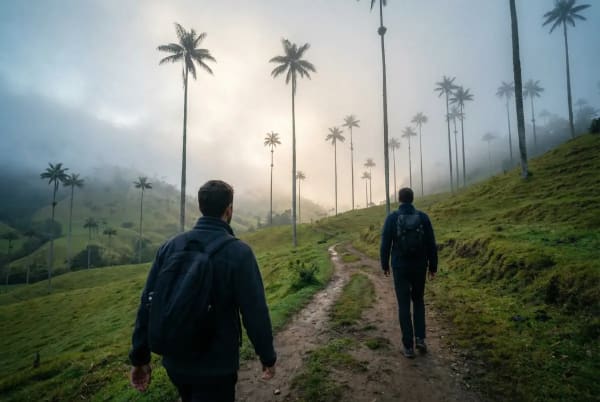
In the coffee region around Salento evenings are also cool (13 to 16 degrees), while during the day, it is pleasantly 20 to 25 degrees. Fleece or cardigan for the evenings are indispensable. Afternoon rain is the rule, not the exception — a compact rain jacket belongs in the daypack.
Common mistake: Colombia is not always hot
Bogota at 2,640 meters has average temperatures like a German October. Nevertheless, UV radiation there is about 40 percent higher than at sea level — sunburn in cool weather is one of the most common beginner mistakes. Sunscreen SPF 50+ is just as important in the highlands as it is on the coast.
Rainforest and Amazon
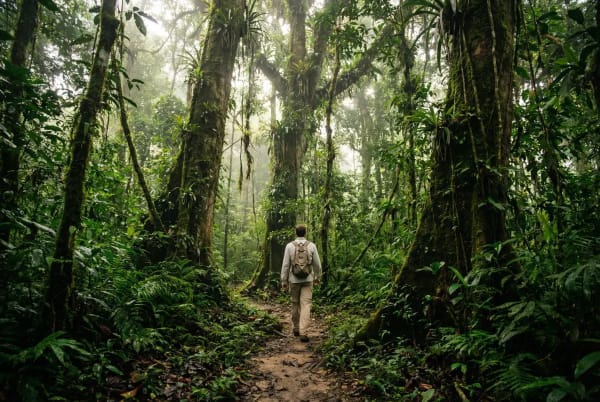
For the Amazon near Leticia and the Pacific coast, special rules apply: light, long-sleeved synthetic clothing protects against mosquitoes and dries faster under extreme humidity than cotton. Light colors attract fewer mosquitoes than dark ones — this is medically confirmed and not a myth. Long sleeves and long pants provide additional mechanical mosquito protection.
The Pacific coast around Nuqui is one of the rainiest regions in the world with 3,000 to 6,000 mm of annual rainfall. Expect that clothing there will not completely dry throughout the trip. Quick-drying synthetics and a dry bag for electronics and documents are not optional, but mandatory.
Do not pack camouflage colors
No camouflage patterns — safety recommendation
Colombia does not have a legal camouflage ban like Jamaica or Barbados, but camouflage clothing is strongly discouraged for security reasons. The pattern is associated with the military and armed groups and can create distrust — especially in rural areas and at checkpoints. Classic camouflage patterns (flecktarn, digital camo, woodland) on tops, pants, and headgear are meant. Olive or khaki clothing without patterns is unproblematic. More on the security situation in our Security Guide and in the blog post Traveling safely in Colombia .
Amount of clothing for a round trip
For a classic packing list for Colombia for 3 weeks, we specifically recommend: 5 to 7 lightweight t-shirts (ideally Merino or functional fiber), 2 long-sleeve shirts, 2 short and 1 long trekking pants, 1 fleece jacket, 1 rain jacket, 5 to 7 underwear, 3 to 4 pairs of socks, 1 swimsuit plus rash guard, 1 somewhat dressier outfit for evenings, and a microfiber travel towel (dries significantly faster than terrycloth in high humidity — many hostels do not provide towels). Washing on the go is no problem: hostels and hotels offer laundry facilities everywhere, often for just a few thousand pesos.
Insider tip
Are you planning a round trip through several climate zones? Our Colombia Intensive Round Trip — 3 weeks takes you from the Caribbean coast through the coffee region to the Andes — we customize the packing list individually for your route. Now inquire without obligation .
Shoes for Colombia
Shoes take up a lot of space in the backpack — all the more important to make the right selection. Three types of shoes cover all situations of a Colombia round trip:
- Light hiking shoes or trail running shoes: For the Tayrona National Park , the Cocora Valley, the Ciudad Perdida Trek, and other national parks . Important: break them in well before the trip. No Gore-Tex shoes for tropical hikes — during river crossings, the shoes will get wet anyway, and Gore-Tex keeps the water in instead of out. Light trail running shoes with good grip are the better choice.
- Comfortable sneakers or city shoes: For Bogota, Medellin, Cartagena — the cobblestones in the old towns require comfortable, flat shoes with good cushioning.
- Flip-flops or sandals: For beaches and hostels. Can be purchased cheaply on site in Colombia (Cartagena, Santa Marta) — hiking shoes and trekking gear should definitely be brought from Germany.
Gore-Tex in the rainforest? No.
Sounds counterintuitive, but in the tropical rainforest, Gore-Tex shoes are a disadvantage. During river crossings in Tayrona or on the Ciudad Perdida Trek, shoes get wet — Gore-Tex keeps the water in instead of out. Light trail shoes that dry quickly are the better choice. Pack additionally stable sandals or water shoes for river crossings.
Technology and electronics
Power outlets and adapters — essential for Colombia.
Colombia uses plugs of the Type A and Type B (American system with flat contacts) at 110 volts and 60 Hz. German plugs (Type C/F, round contacts) do not fit — a travel adapter is essential. Adapters for Colombia cost between 5 and 15 EUR in Germany and are available in every electronics store.
The good news: smartphones, laptops, tablets, and camera chargers almost always support dual voltage (100 to 240V) — recognizable by the label "INPUT: 100–240V, 50/60Hz" on the power supply. These devices only need the plug adapter, no voltage converter.
Caution with hair dryers and straighteners: These devices are often made only for 230V and may not work or may work very slowly at Colombian 110V. Check the label on the device before the trip — or buy a local hair dryer cheaply in Colombia (from about 30,000 COP / 7 EUR in supermarkets like Exito).
Colombia + Peru combo? Check voltage!
Anyone combining Colombia and Peru on a trip must be careful: Peru uses 220V — devices that work in Colombia at 110V can be damaged in Peru if they are not dual-voltage (100–240V). Ecuador and Costa Rica also use 110–120V and are unproblematic.
More technology
- Power bank (min. 10,000 mAh) — especially for day trips in national parks and remote regions like La Guajira, where outlets are rare.
- Dry bag (waterproof pack sack) — an absolute must for the Pacific coast, Amazon, and boat tours. Always secure electronics and documents in a waterproof manner.
- Headlamp (USB-rechargeable) — for Amazon night tours and during power outages.
- Multi-plug with USB ports — space-saving compared to several single adapters. A USB hub on the adapter allows simultaneous charging of all devices via a single outlet.
Important for night buses and domestic flights: In Colombian long-distance buses, the air conditioning often runs at full strength — even on routes like Cartagena to Bogota, it can get quite cold on the bus. A jacket or scarf in hand luggage is also sensible on the Caribbean route. Information on hand luggage and flights to Colombia can be found in our travel guide. Avianca allows 55 x 35 x 25 cm up to 10 kg, LATAM allows identical dimensions — a soft 40 to 50-liter backpack often still fits as hand luggage.
Travel pharmacy and health protection
Mosquito repellent — DEET or Icaridin
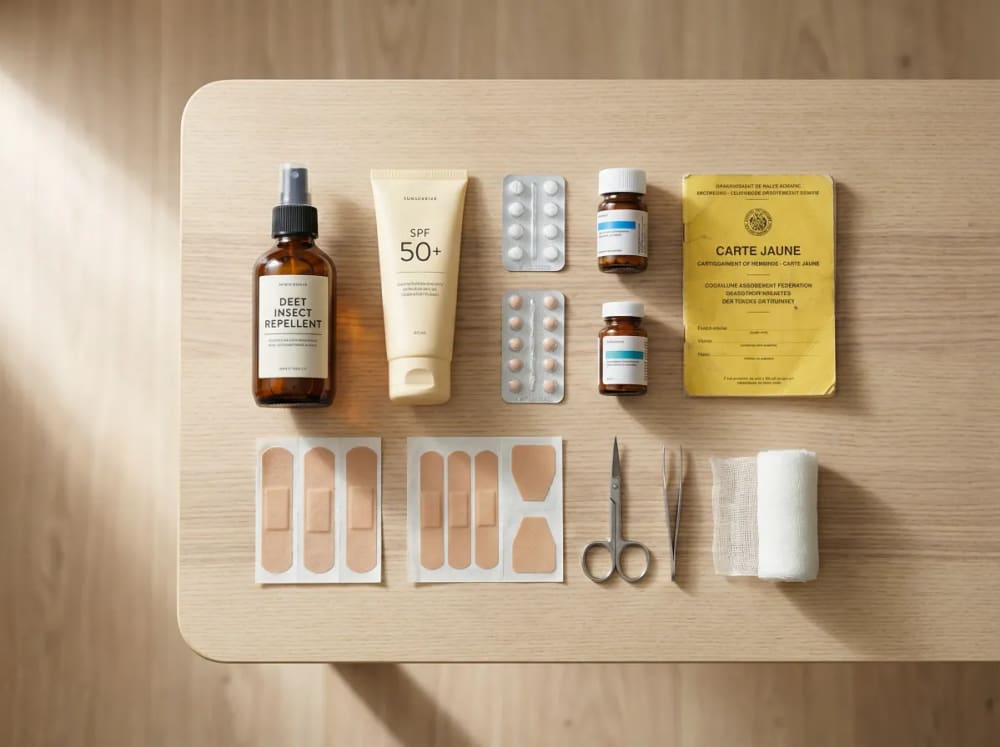
Mosquito repellent is a must on every packing list for Colombia — it is not an optional extra, but essential equipment. Dengue fever is transmitted by day-active mosquitoes (Aedes aegypti) and is present throughout Colombia below 2,300 meters — including in Medellin and Cali, not just in the Amazon. Malaria is a risk in lowland areas (Amazon, Choco, rural regions below 1,700 m), but not in the major cities.
- DEET 30 to 50 percent offers optimal protection — below 30%, the effect is insufficient. Recommended products: AntiBrumm (30% DEET) or Nobite (50% DEET). Highly concentrated DEET is better to bring from Germany, as it is difficult to obtain outside major cities.
- Icaridin (Picaridin) 20 percent is a WHO-recognized alternative, more skin-friendly than DEET and equally effective against dengue mosquitoes.
- Important: Apply sunscreen before insect repellent. First apply sunscreen, let it sit for 20 to 30 minutes, then apply DEET spray — simultaneous application reduces the effectiveness of both products.
Sun protection
SPF 50+ is mandatory, year-round, in every region. In Bogota at 2,640 meters, UV radiation is about 40 percent higher than at sea level — UV index values of 15 to 20 are normal in the Andean highlands (the WHO scale categorizes values above 11 as "extreme"). Sunburn in cool weather is the most common health mistake made by travelers to Colombia. Sunscreen is available in Colombian supermarkets (Exito, Carulla), but at a higher price than in Germany (25,000 to 60,000 COP / 6 to 15 EUR).
Travel pharmacy checklist
- Painkillers (Ibuprofen/Paracetamol)
- Loperamide for diarrhea — gastrointestinal diseases are the most common travel problem.
- Oral rehydration salts / electrolytes
- Wound disinfectant (Octenisept)
- Band-aids and dressings
- Antihistamine (for allergic reactions to insect bites)
- Malaria prophylaxis (Malarone) — only for lowland routes (Amazon, Choco)
- Mosquito net (impregnated with permethrin) — mandatory for the Amazon, not needed for Cartagena or Bogota.
- Water filter bottle — tap water is drinkable in Bogota, not always in other regions. When in doubt, buy bottled water or filter it.
Mosquito protection even during the day — due to dengue.
Unlike malaria (night mosquitoes), dengue is transmitted by day-active mosquitoes. This means: Inject during the day as well and wear bright, long-sleeved clothing as much as possible. There are no prophylactic medications against dengue — consistent mosquito protection is the only protective measure. All details on vaccinations, malaria prophylaxis, and yellow fever can be found in our Vaccination and health guide .
Documents and finances
Mandatory documents
- Passport: Must be valid for the entire duration of stay — at least 6 months of validity is recommended. Germans do not require a visa for tourist stays of up to 90 days. All entry details can be found in our Entry and visa guide
- Yellow fever vaccination card (ICVP): Mandatory for all national park visits since May 2025 — even for high-altitude parks like El Cocuy or Los Nevados. The vaccination is valid for life and must be done at least 10 days before the first park visit.
- Check-Mig: Online registration at Migracion Colombia, 72 hours before entry and exit. Free form at checkmig.migracioncolombia.gov.co — do not use commercial third-party providers that charge fees.
- Travel insurance: Foreign travel health insurance with repatriation is mandatory — statutory health insurances do not cover anything in Colombia. Repatriation can cost six-figure euro amounts.
- Copies: Passport data page, insurance policy, and emergency numbers both digitally (cloud/email) and on paper — keep separate from the original.
Yellow fever vaccination card mandatory for all national parks since May 2025.
At all Colombian national park entrances, proof of a valid yellow fever vaccination has been required since May 3, 2025. Without a physical WHO vaccination certificate, entry is not guaranteed — a sworn declaration of exemption is possible, but the park director may still deny access. The vaccination costs 50 to 80 EUR in Germany and must be done at least 10 days before visiting the park. If you plan national park visits , it is advisable to get vaccinated early.
Finances
- Credit card (Visa/Mastercard): Widely accepted in larger cities. Inform your bank in advance about the trip to avoid card blocks.
- Cash: In rural areas (La Guajira, Amazonas), ATMs are rare — bring cash in COP there. In Cartagena, Bogota, and Medellin, you will find ATMs everywhere.
- Money belt: Useful for carrying larger amounts of cash — do not wear it visibly under clothing.
Packing list for backpackers and travelers
The packing list for Colombia backpackers differs in some points from the classic round trip with planned luggage transfers:
- Backpack size: 50 to 60 liters are optimal for a packing list for 3 weeks in Colombia as a backpacker. 40 liters are sufficient for 2 weeks or pure beach and city tours. Over 60 liters is not recommended — larger backpacks typically end up being packed fuller, not better.
- Soft backpack instead of hard-shell suitcase: Cobblestones in old towns, tight bus compartments, and small luggage compartments on domestic flights (e.g., to La Guajira on turboprop machines) clearly favor the soft backpack.
- Padlock: Many hostel lockers require their own padlock. Also useful for zipper locks on backpacks in busy tourist areas.
- Sleeping bag: Rarely needed in Colombia — only for high-altitude trekking (El Cocuy, Los Nevados). A thin sleeping bag liner is sufficient for hostels in Bogota.
- Packing Cubes: Particularly useful in Colombia as you often switch between climate zones and need quick access to the right clothing — fleece in the morning at Bogota airport, shorts at noon in Cartagena.
- Daypack (25 to 35 liters): For national park hikes and the Ciudad Perdida trek — the main backpack stays safe in the hostel.
Insider Tip
Our City Tour Bogota, Medellin, and Cartagena is also excellent for backpackers — we plan the route, you travel independently. Now inquire without obligation .
Packing list for 3 weeks in Colombia
Three weeks is the ideal travel duration to truly experience Colombia's diversity — from the Caribbean to the coffee region and into the Andes. The biggest question for the packing list for 4 weeks or 3 weeks: carry-on or checked luggage?
Carry-on strategy (for minimalists): A soft 40 to 50-liter backpack fits as carry-on with Avianca and LATAM (55 x 35 x 25 cm) if it is not overpacked. Strict weight limit: 10 kg. The big advantage: No waiting at the baggage claim, no lost luggage on domestic flights — and flexibility for spontaneous route changes.
Checked luggage: More comfortable, but on domestic flights on small planes (e.g., to La Guajira or Leticia), there are often very strict weight limits. 23 kg are included in most fares.
For 3 to 4 weeks, the amount of clothing from the section "Clothing for a round trip" is sufficient — thanks to laundry options on the go, you don’t need fresh clothing for every day. You can buy bikinis, sunglasses, and simple beachwear cheaply on-site if needed.
Insider Tip
Our Colombia Intensive Round Trip — 3 Weeks takes you through all climate zones: Caribbean, coffee region, Andes, and Amazon. We also advise you on the optimal packing strategy for your specific route.
What is better left at home
Less is more — these things do not belong in the backpack for Colombia:
- Flashy jewelry and expensive watches — increase the risk of pickpocketing, especially in Bogota, Medellin, and Cartagena's old town. When in doubt: If you don’t want to lose it, leave it at home.
- Camouflage clothing — is associated with military and armed groups (details in the section above).
- Too much cash — There are ATMs in all larger cities, credit cards are widely accepted. Only take cash in COP for rural areas.
- 230V devices without dual voltage — Hair dryers, straighteners, and other devices only for 230V do not work or are too slow in Colombia (110V).
- Heavy outdoor gear — no heavy hard shells, no thick sleeping bags (except for high-altitude treks over 4,000 m). Colombia is not an expedition country.
- Expensive camera equipment — Only take out DSLR with a large telephoto lens in secured contexts. In urban situations, a smartphone or compact camera is more than sufficient.
- Always carry the original passport — keep the original in the hotel safe and carry a certified copy. In police checks, the copy is accepted in most situations.
More Safety tips for Colombia can be found in our detailed guide.
Packing list by travel style
| Travel style | Clothing | Shoes | Extras |
|---|---|---|---|
| Beach holiday Caribbean | Light, airy, swimwear, rash guard | Flip-flops + sneakers | UV protection, snorkeling gear |
| City tour | Layers, 1 nice outfit | Sneakers + evening shoes | Umbrella, daypack |
| Nature & trekking | Functional clothing, long pants, fleece | Hiking shoes + sandals | Dry bag, headlamp, power bank |
| Amazon & jungle | Bright long-sleeve synthetic, rain protection | Hiking shoes + water shoes | Mosquito net, DEET 50%, dry bag |
Colombia round trips with optimal route planning
What you pack depends on your route. Our well-thought-out round trips combine the most beautiful regions of Colombia — and we are happy to advise you on the optimal packing strategy for your specific trip:
- Coffee & Caribbean round trip — Coffee region and Caribbean coast, ideal for first-time visitors.
- Colombia Intensive — 3 weeks of nature & culture — All climate zones in one trip.
- Nature round trip Tayrona & Amazon — For nature lovers with a trek and jungle focus.
- City tour Bogota, Medellin & Cartagena — Culture, culinary delights, and urban life.
Unsure which round trip suits you? Talk to us — we know every route personally and will advise you without obligation.
More travel information for Colombia
- Best travel time Colombia — Optimal months for each region.
- Vaccinations and health — Yellow fever, malaria prophylaxis, and health precautions.
- Entry and visa — Entry requirements for German citizens.
- Safety tips for Colombia — Current situation and practical tips.
- Arrival and flights — Flight connections, domestic flights, and carry-on.
- National parks in Colombia — The most important parks with entrance prices and booking tips.
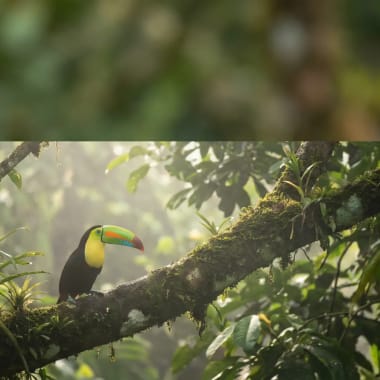
- Bird watching — 1,950 species and the best observation spots.
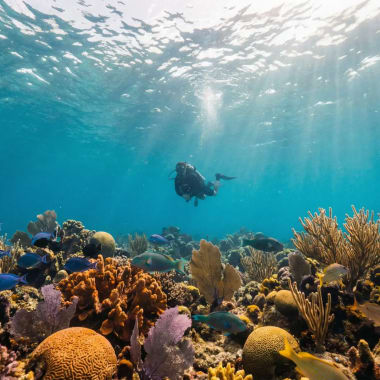
- Diving and snorkeling — Colombia's underwater world at the Caribbean coast.
- Packing list Latin America — Cross-country packing tips for multiple destinations.
Your dream holiday, tailor-made by true connoisseurs.
From the first spark of inspiration to the moment you return home full of stories, we’re by your side – whether by phone, email or WhatsApp, whenever you need us. Every journey we design is as unique as you are: individually crafted with exclusive privileges and exceptional arrangements that make your experience truly unforgettable.
Experts for your trip

You might also like this
This image was generated with AI.
This image was generated with AI.
This image was generated with AI.