



Brazil in the Rhythm
Between Copacabana flair, colonial charm and the pulse of the rainforest
Between Copacabana flair, colonial charm and the pulse of the rainforest
This trip shows you Brazil in its full range: the rhythm and joy of life in Rio, the colonial alleys of Paraty, the overwhelming power of the Iguaçu Falls, and the silence of the Amazon Rainforest, before São Paulo's art scene brings you back to the present of the country at the end. Between city life, natural wonders, and jungle adventures, you effortlessly change the scenery – accompanied by a private guide, stylish accommodations, and culinary highlights at every stop.
- Rio's contrasts between Sugarloaf, Copacabana, and samba rhythm
- Colonial charm in the alleys of Paraty
- The roaring power of the Iguaçu Falls
Price
on request
Best time to travel
May - September
Flight time
approx. 11.5h from FRA
Recommended Duration
from 15 days


We plan your trip individually for you
This is what your 15 day round trip could look like


Rio de Janeiro
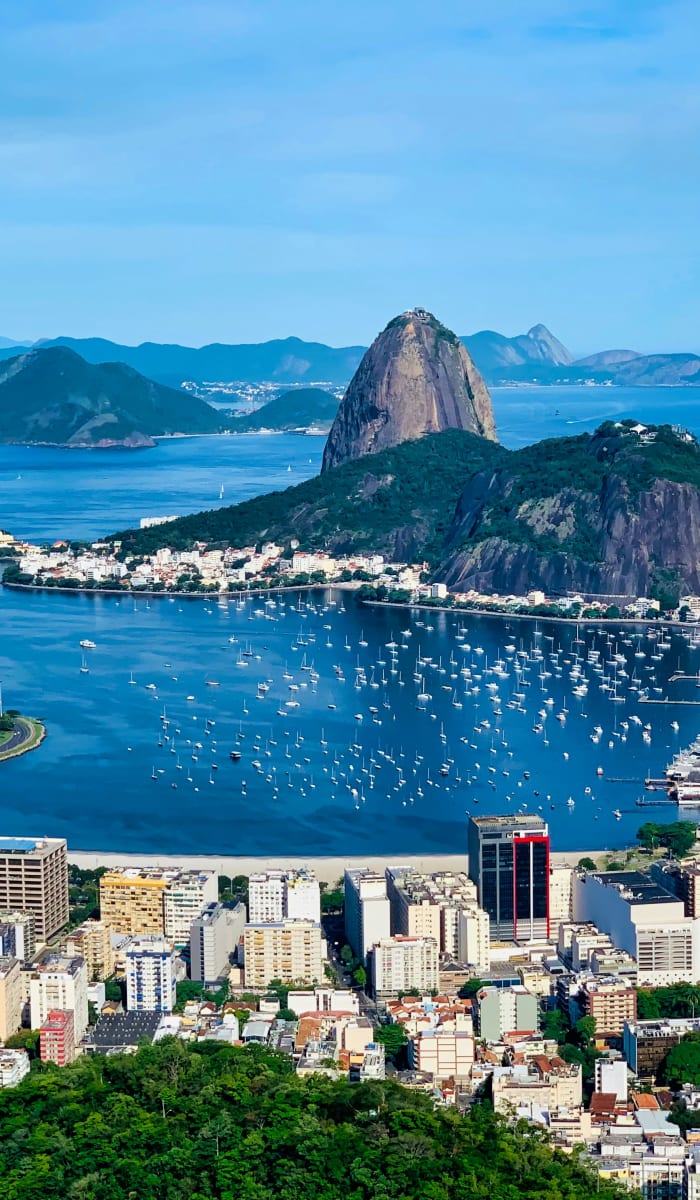
Nestled between rugged granite mountains, the Atlantic, and one of the most beautiful bays in the world lies Rio de Janeiro – a city that cannot hide its joy of life. Sugarloaf and the Corcovado with its Christ statue shape the skyline from every angle, while beaches like Copacabana and Ipanema and the bohemian artists' quarter of Santa Teresa line up at their feet. In the evenings, life shifts to the bars of Leblon and the samba taverns of Lapa, where live music and Cachaça cocktails set the tone until late at night. Rio thrives on this contrast of nature and metropolis, of exuberance and melancholy – a rhythm that transfers to everyone who comes.


Paraty
On a winding coastal road, you reach Paraty, one of Brazil's best-preserved colonial towns nestled between dense Atlantic rainforest and a far-reaching bay. Cobblestone streets, whitewashed houses, and centuries-old churches tell the story of the time when gold was shipped from the mines of Minas Gerais. Surrounding the city are countless small islands with turquoise water, hidden coves, and rainforest reaching right to the shore – a tranquil counterpoint to the hustle and bustle of Rio.


Foz do Iguaçu
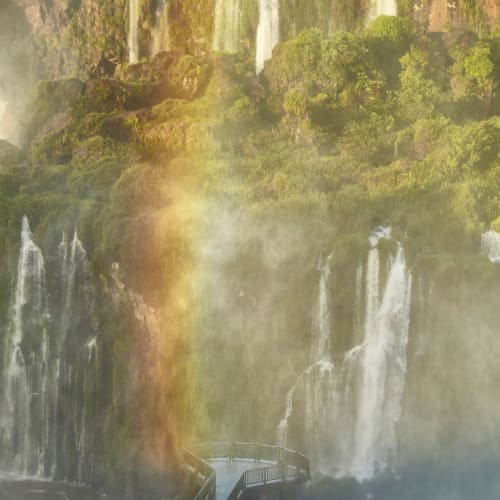
At the border with Argentina lies one of the most spectacular natural phenomena in South America: the Iguaçu Falls, a system of around 275 individual cascades stretching over more than three kilometers through subtropical rainforest. The Brazilian side offers a wide panoramic view of almost all the falls at once, while the Argentine side allows you to experience the power of the water up close at the Garganta del Diablo. Surrounding it lies one of the last large remnants of the Atlantic Forest, home to toucans, coatis, and brightly colored butterflies.


Amazon – Rio Negro
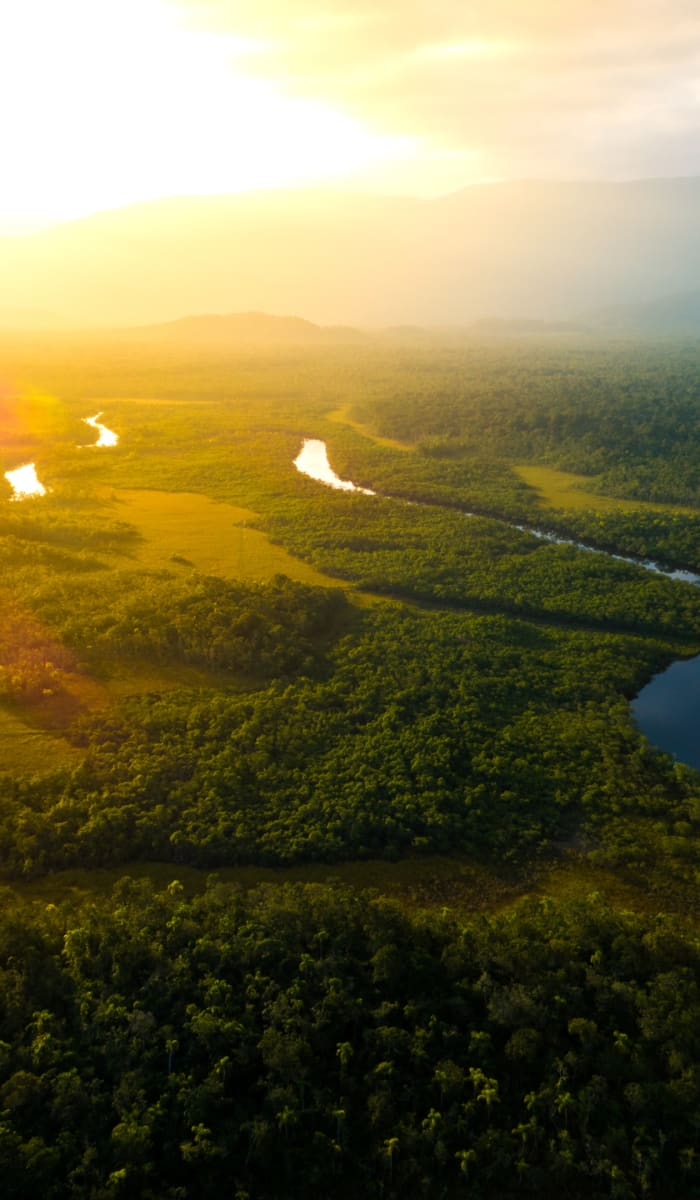
From Manaus, the path leads deep into the rainforest, to where the black Rio Negro and the bright Rio Solimões meet for kilometers without mixing – the famous 'Encontro das Águas'. The Rio Negro itself is lined by flooded Igapó forests, an ecosystem that changes between river and forest depending on water levels, providing habitat for pink river dolphins, caimans, and an extraordinary avian fauna. This expanse and silence, interrupted only by the sound of water and the noises of the jungle, make the central Amazon one of the most impressive natural areas on Earth.

Manaus
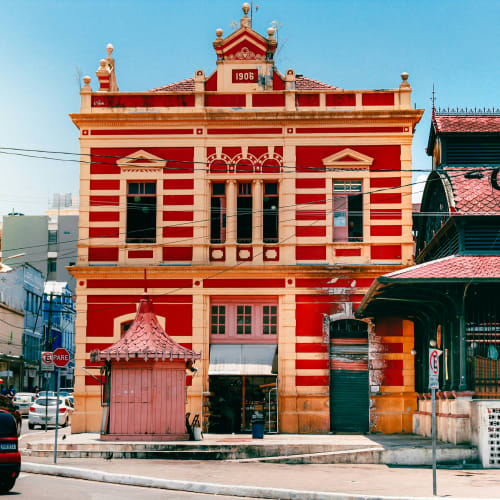
Manaus, located in the rainforest at the confluence of two powerful rivers, still tells of the glory and extravagance of the rubber boom. The Teatro Amazonas, a lavish opera house with imported European marble and crystal chandeliers, stands like a foreign body in the tropical rainforest – a symbol of the wealth that once flowed into the city with the rubber boom. Between the floating port, the Rio Negro Palace, and the markets of the city center, Manaus today presents itself as a vibrant gateway to the Amazon.

São Paulo
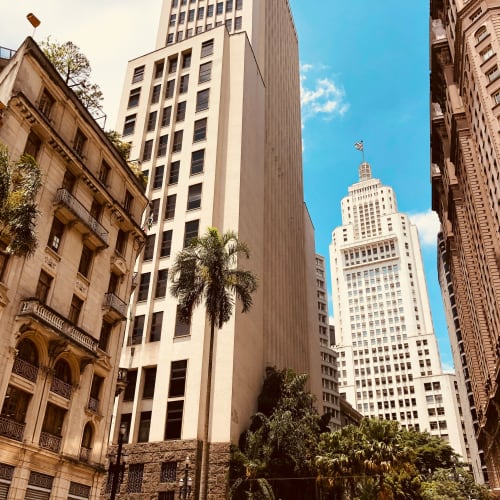
At the end of the journey awaits São Paulo, Brazil's pulsating art and cultural metropolis and one of the largest cities in the world with over 20 million inhabitants. Endless skyscraper silhouettes alternate with green oases like Ibirapuera Park, while neighborhoods like Vila Madalena boast one of the liveliest street art scenes in Latin America on the walls of houses. São Paulo is more laid-back and down-to-earth than Rio, yet culturally and culinarily hard to surpass – an urban, contemporary counterpoint to the natural riches of the previous stations.
The accommodations


What makes us special
With us you always come first!
Contact person

Senior Travel Designer


You might also like this
on request
Brazil
Experience Brazil's Highlights
- Rio de Janeiro
- Iguazu Falls
- Amazon Rainforest
- Salvador & Praia do Forte
from 17 days
on request