


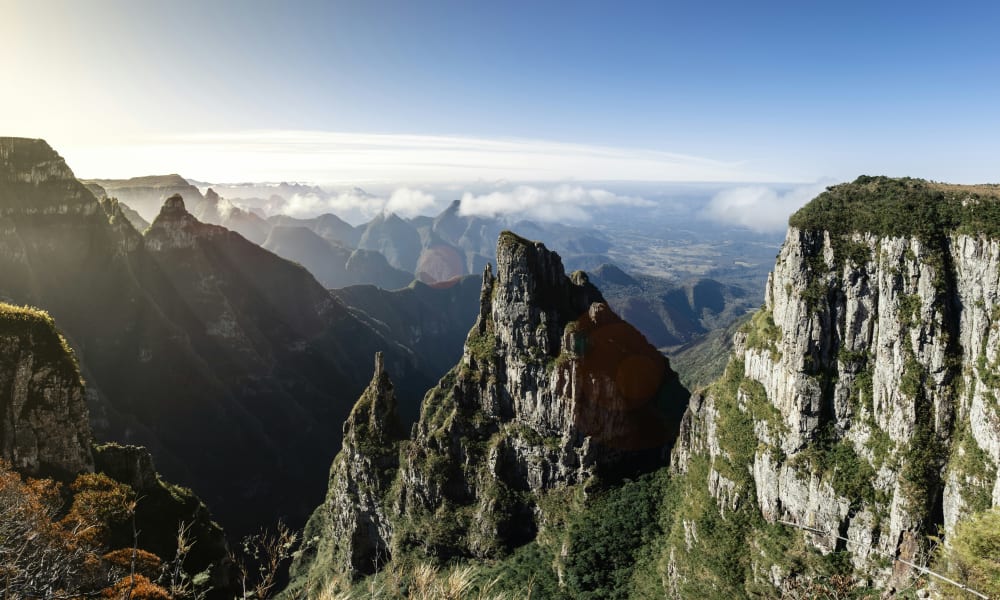
Brazil for Nature Lovers
Rainforest, Dunes and the Wilderness of the Pantanal
Rainforest, Dunes and the Wilderness of the Pantanal
This trip takes you to Brazil's most original natural sites: into the rainforest at Rio Negro, where stilt bungalows float above the water, to the snow-white dunes and turquoise lagoons of Maranhão, and into the boundless wilderness of the Pantanal, home to jaguars, capybaras, and hundreds of bird species. Between Manaus, Atins, and the Transpantaneira, you will stay in rustic lodges in the middle of nowhere, where nature alone sets the rhythm. If you want to extend your stay by a few days at the beach, you can optionally head to the coast to Preá and Jericoacoara before returning home via São Paulo.
- Exciting nights at Rio Negro
- Jaguar search in the Pantanal
- Sunset in the dunes of Atins
Price
on request
Best time to travel
May - September
Flight time
approx. 11.5h from FRA
Recommended Duration
from 13 days


We plan your trip individually for you
This is what your 13 day round trip could look like

Rio de Janeiro
Rio de Janeiro welcomes you with one of the most unusual urban landscapes in the world: In the middle of the million-strong metropolis rises the Tijuca National Park, the largest urban rainforest on Earth, with Corcovado and its Christ statue as the most distinctive peak. Surrounding it is Guanabara Bay with the iconic Sugarloaf, while the beaches of Copacabana and Ipanema directly touch the city and the Atlantic Ocean. Before heading deep into the Amazon rainforest, Rio already shows how close nature and city life can be in Brazil.


Amazon – Rio Negro
On the Rio Negro, embraced by the countless waterways of the Anavilhanas archipelago – the second largest freshwater archipelago in the world – the Amazon shows itself from its most original side. The dark, mineral-poor river feeds a labyrinth of flooded igapó forests, which changes between forest and water world depending on the season and provides a habitat for pink river dolphins, caimans, and hundreds of bird species. Far away from any civilization, only accessible by the river itself, lies one of the quietest and most species-rich regions of the Amazon basin.
Manaus
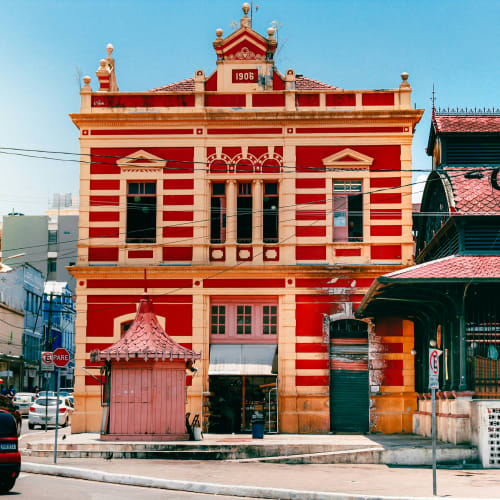
Manaus lies like an urban foreign body in the middle of the rainforest – a million city that once owed its wealth to the rubber boom of the 19th century. The Teatro Amazonas, an opera house with European marble and a dome made of 36,000 painted tiles, still bears witness to this glorious yet tragic era. Around the floating port and the markets of the old town, colonial heritage meets the vibrant life of a city considered the gateway to the largest rainforest in the world.

Lençóis Maranhenses – Atins
On the coast of Maranhão lies one of Brazil's most extraordinary natural phenomena: the Lençóis Maranhenses, kilometers of bright white sand dunes between which turquoise freshwater lagoons form during the rainy season. The landscape feels like it's from another world – vegetation is desperately sought after, while flocks of bright red scarlet ibises often fly over the dunes at sunset. The small fishing village of Atins, accessible only by sandy paths or waterways, is the secluded starting point for this dune world.
Optional: Preá & Jericoacoara
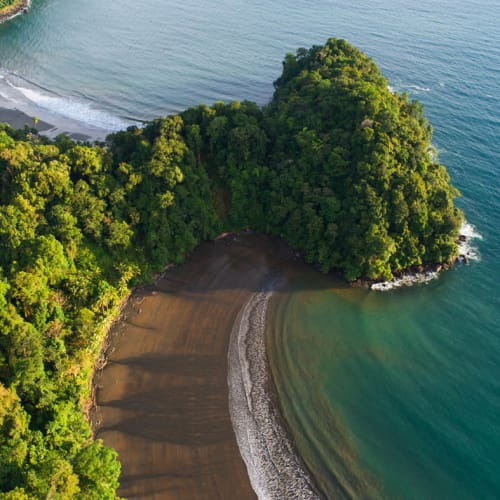
Anyone wanting to spend some time at the beach after the rainforest and dunes will find one of Brazil's windiest and most original coastal regions around Preá and Jericoacoara. Kilometers of almost untouched dunes meet emerald-green sea and consistent trade winds, which have made the region one of the most important kitesurfing spots in South America. Turquoise lagoons like Lagoa Azul and Lagoa do Paraíso are nestled between the dunes – a wind-driven, relaxed ending away from the classic seaside resorts.

Northern Pantanal
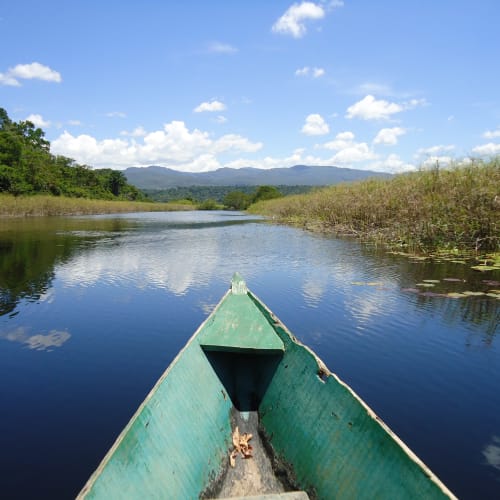
Along the Transpantaneira, the only road through the northern Pantanal, the most species-rich wetland on Earth opens up: an endless wet savanna of lagoons, grasslands, and winding waterways, where jaguars, giant otters, capybaras, and hundreds of bird species encounter each other in close quarters. Unlike the dense Amazon rainforest, the Pantanal is open and extensive – its wildlife often makes itself known even from boats or observation towers, without hiding.
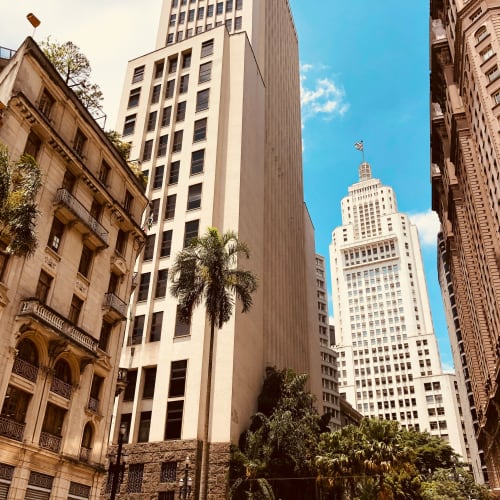
São Paulo
The return flight passes through São Paulo, Brazil's largest metropolis and economic heart of the country. Between endless skyscraper canyons lie surprisingly green retreats like Ibirapuera Park, while the historic center around the Cathedral Sé tells of colonial times. São Paulo is less enticing at first glance than Rio, but it is culturally and culinarily one of the densest cities in Latin America – an urban conclusion after days in Brazil's wilderness.
The accommodations

What makes us special
With us you always come first!
Contact person

Senior Travel Designer


You might also like this

Brazil
Discover Brazil's Northeast
- Salvador da Bahia & Chapada Diamantina
- Itacaré & Peninsula Maraú
- Olinda & Fernando de Noronha
from 20 days
on request

Brazil
Brazil in the Rhythm
- Rio de Janeiro & Copacabana Flair
- Iguaçu Falls
- Amazon Rainforest
from 15 days
on request