


This image was generated with AI.
Best travel time for Costa Rica: month by month explained
Climate, wildlife calendar & seasonality month by month
Climate, wildlife calendar & seasonality month by month
Costa Rica is accessible year-round — but not every month suits every trip. December to April brings blue skies to the Pacific coast and is the classic high season. May to November is the green season: 20–40% cheaper prices, lush nature, more active wildlife. The Caribbean follows a reversed pattern — when the Pacific rains, Tortuguero is dry. Those planning a Costa Rica trip will find the honest answer here about which month suits which travel profile.

The two seasons in Costa Rica
Costa Rica is located in the tropics and does not have four seasons. Instead, the year is divided into two climatic main phases, defined not by temperature but by precipitation. Air temperatures in the lowlands fluctuate year-round between 24 and 32 °C, in the Monteverde cloud forest (1,400 m) between 14 and 22 °C — the altitude difference is more relevant than the month.
Dry season (December to April) — Pacific coast, hiking, beach
Verano is what they call it in Spanish — the "summer" of the Ticos. The Pacific coast and Central Valley experience blue skies, low humidity, and almost rain-free days. Guanacaste in the northwest is the driest and sunniest region of the country, with only 1,600 mm of annual rainfall and 2,685 hours of sunshine per year. Hiking in the national parks is optimal, the trails are passable, Manuel Antonio and Corcovado show themselves at their simplest. It is the high season: hotels are fuller, prices are higher, popular lodges (Sirena Station Corcovado, Tortuguero Eco-Lodges) must be booked 4–6 months in advance.
Green season (May to November) — nature at its peak
Invierno — the "winter". The term is misleading: it remains warm, just rains in the afternoon. Typical pattern: sunny morning, clouds by noon, heavy shower in the late afternoon, clearing up by evening. The advantages are significant: hotel prices drop by 20–40%, national parks are noticeably emptier, the vegetation is lush green, waterfalls flow with water, frogs and birds are in their most active phase. On the Osa Peninsula, September and October can mean individual roadblocks — those wanting to go there should plan for May, June, or July.
The Veranillo de San Juan — insider tip in July
In the middle of the rainy season, there is a meteorological phenomenon that many first-time visitors do not know: the Veranillo de San Juan, the "little summer" of St. John. A dry phase that typically lasts from 1 to 3 weeks, starting around June 24 and occurring with over 50% probability between July 12 and August 14. Meteorologist Patricia Ramirez from the Instituto Meteorológico Nacional documented the phenomenon over 40 years of weather data as reliably recurring. The Veranillo is most pronounced in Guanacaste, the Nicoya Peninsula, and Puntarenas — exactly in the Pacific travel regions.
Insider tip: The Veranillo de San Juan
Those who want to travel in July should ideally plan for two to three weeks. This way, you are highly likely to hit the dry phase, save 20–40% compared to the high season, and experience the Pacific under optimal conditions — almost empty, lush green, sunny. The Veranillo is not guaranteed, but statistically reliable.
Pacific coast vs. Caribbean coast — the reverse climate pattern
Costa Rica is a narrow strip of land between two oceans. The Cordillera Central and Cordillera de Talamanca separate the Pacific and the Caribbean — and create two nearly inverse climate systems. When the rainiest weeks of the year fall in September and October on the Pacific coast (Quepos: 530 mm in September), the Caribbean is experiencing its driest months: Puerto Limón has only 140 mm of rainfall in September — typically over 300 mm per month.
The meteorological explanation is the orographic effect: the mountain ranges trap air masses depending on the wind direction. In the Pacific rainy season, the Caribbean is in the rain shadow — and becomes dry. In the Pacific dry season (Dec-Jan), conditions reverse: then 320 to 445 mm of rain falls on the Caribbean per month. A location in Costa Rica rarely has the same weather as a location 50 kilometers away.
| Region | Driest months | Wettest months | Annual precipitation |
|---|---|---|---|
| Guanacaste / Pacific North | Dec – Apr | Sep – Oct | approx. 1,600 mm |
| Manuel Antonio / Pacific Central | Jan – Mar | Sep – Oct | approx. 3,745 mm |
| Osa Peninsula / Corcovado | Jan – Apr | Sep – Oct (up to 4,700 mm) | approx. 4,700 mm |
| Central Valley / San José | Dec – Apr | Sep – Oct | approx. 1,805 mm |
| Monteverde Cloud Forest | Feb – Apr | Sep – Oct | approx. 3,000 mm |
| Caribbean / Tortuguero, Puerto Viejo | Feb – Mar, Sep – Oct | Nov – Jan, July | approx. 3,575 mm |
Good to know: Combine Pacific and Caribbean
In the dry season (Dec–April), you start at the Pacific and might end up at the Caribbean (which is wet from November to January — so it’s good to be there earlier in the dry season). In the green season, you reverse: Caribbean first (September/October are dry there), then Pacific. This reverse logic is known to very few first-time visitors — it is the difference between a dry and a rainy trip.
Wildlife calendar: What you can see when
Costa Rica hosts 6% of the world's biodiversity on 0.03% of the Earth's surface. When which animal is best observed often determines travel planning — especially for nature photographers and wildlife travelers.
| Month | Wildlife highlights | Region | Visitors | Recommended for |
|---|---|---|---|---|
| Jan | Humpback whales (Northern Hemisphere), leatherback turtles arrive | Pacific South, Tortuguero | very high | Families, first-time visitors |
| Feb | Quetzal breeding season begins, Caribbean dry, whales | Monteverde, San Gerardo, Caribbean | high | Photographers, bird watchers |
| Mar | Quetzal peak, leatherback turtle lays eggs | San Gerardo de Dota, Caribbean | high | Wildlife, bird watchers |
| Apr | Quetzal breeding, dry season ends, hummingbird activity | Monteverde, Highlands | medium | Bird watchers, hikers |
| May | Transition to rainy season, lush nature, mating season | nationwide | low | Budget travelers, photographers |
| Jun | Leatherback turtles hatch, Veranillo possible | Tortuguero, Pacific | low | Nature travelers |
| Jul | Veranillo dry phase, humpback whales South arrive | Pacific, Marino Ballena | medium | Families, school holidays |
| Aug | Humpback whale peak South, green turtle | Marino Ballena, Tortuguero | high | Whales, turtles |
| Sep | Green turtle peak, Caribbean dry | Tortuguero, Cahuita, Puerto Viejo | very low | Caribbean travelers |
| Oct | Humpback whale sighting peak, Olive Ridley arrival | Marino Ballena, Santa Rosa | low | Whales, wildlife peak |
| Nov | Transition, Aras active at Tárcoles, migratory birds | Carara, Pacific | medium | Bird watchers |
| Dec | Humpback whales arrive in the north, dry season begins | Pacific South, nationwide | very high | Families, first-time visitors |
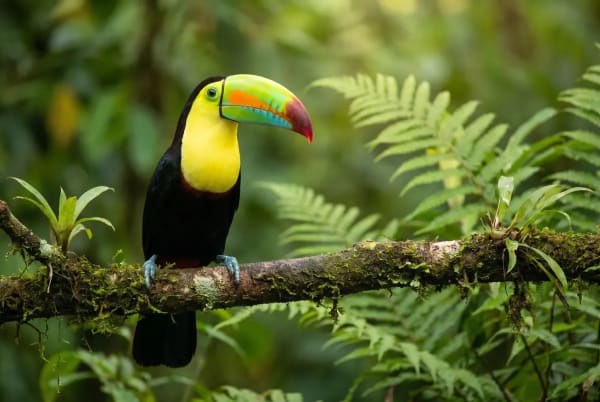
Best travel time according to travel profile
There is no universally "best" travel time — there is the right time for your travel profile. Five profiles, five different optimal months:
Families with children
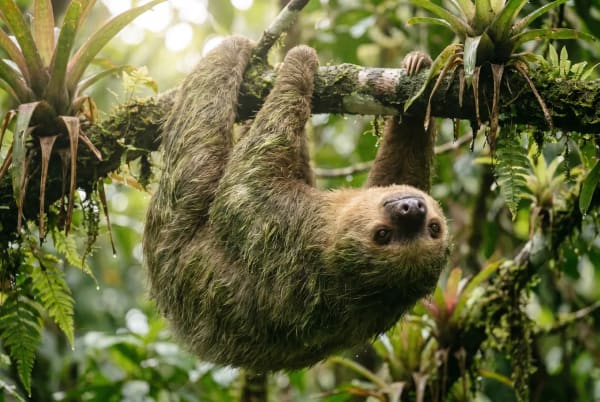
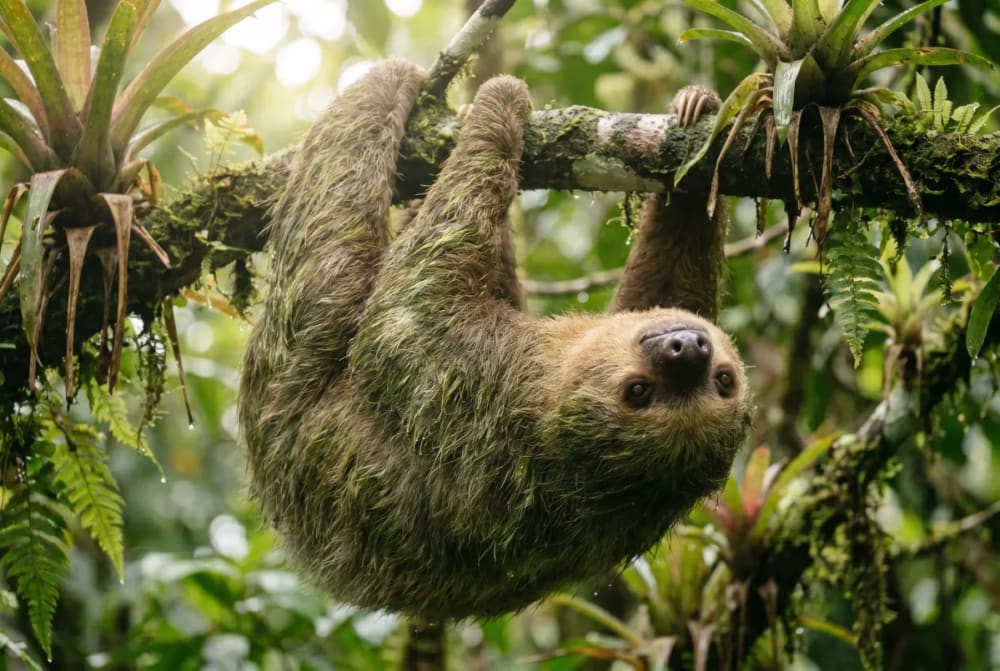
Best months: Mid-January to April. Dry Pacific coast, calm seas for snorkeling in Manuel Antonio, short transfer times, lodges with pools. Avoid December 20 to January 5 (high season surcharges up to 50%). A Costa Rica family trip in February or March meets optimal conditions — sloths in the lodge garden, Arenal Volcano with clear views, butterfly farms, chocolate tours.
Honeymoon and newlyweds
Best months: February to April. Pacific dry, sunsets in Santa Teresa and Manuel Antonio are dramatic, eco-lodges in Manuel Antonio and on the Osa Peninsula show their best side. Humpback whales from the north are often still here. Less rain risk during private beach days.
Wildlife photographers and nature travelers
Best months: March to April (Quetzal nesting season) or September to October (wildlife peak green season). March/April in the highlands (Monteverde, San Gerardo de Dota) is the most reliable Quetzal season worldwide. September/October bring active frogs, nesting colonies, turtles in Tortuguero, and humpback whales off Uvita — at the same time, photography conditions are dramatic after showers.
Surfers
Best months: May to October (Pacific South). The biggest swells hit the Pacific coast during the rainy season — Santa Teresa, Pavones, Dominical, and Witch's Rock show their best waves. Guanacaste (Tamarindo, Playa Negra) is surfable year-round, peak from April to October. The Caribbean (Salsa Brava at Puerto Viejo) is strongest from December to March.
First-time visitors with open nature interests
Best months: January to April or early November. Dry season for Pacific classics (Arenal, Monteverde, Manuel Antonio), little weather risk for the first trip. For those wanting to travel in the green season: May, June, and the Veranillo July are favorable, lush, and touristy calm.
Our recommendation for flexible travelers
May or November are underrated shoulder months. Both transition months combine acceptable weather with significantly lower prices, emptier parks, and lush nature. Families with school-age children are usually not affected — but those who can choose freely get the best value for money.
Humpback whales — Costa Rica has two seasons
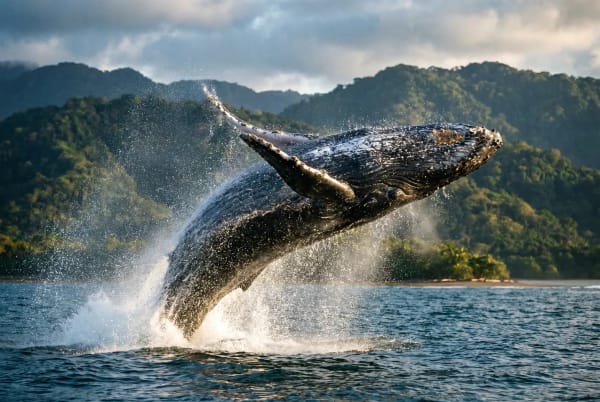
Costa Rica is one of the few countries worldwide where two different humpback whale populations pass by each year. From December to March, whales from the North Pacific migrate south to calve — sightings in Marino Ballena National Park off Uvita are possible from December, peak in January/February. From July to October, whales from Antarctica appear on their migration — peak in August/September. In no other country will you see humpback whales from both hemispheres within the same year.
Boat tours from Uvita start at 60 USD per person, ideally in the calm morning hours. The park has its landmark, the Cola de Ballena ("whale tail") — a tombolo sandbank that resembles a whale fin at low tide. A natural phenomenon that makes the visit worthwhile even without whale sighting.
Quetzal watching — when and where
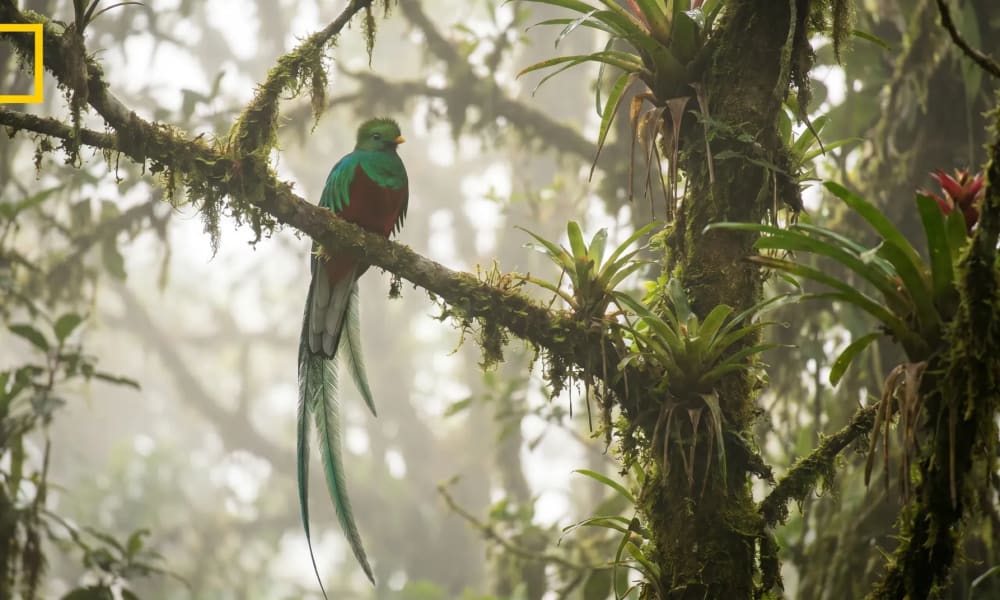
The Resplendent Quetzal — Pharomachrus mocinno — is Mesoamerica's sacred bird and one of the most beautiful birds in the world. Males carry a tail up to one meter long during the breeding season. The most reliable observation season is from February to May, peaking in March/April during egg laying and rearing. Both sexes incubate — a biological rarity.
Two locations are considered reliable: San Gerardo de Dota (Valley of the Quetzals, Cordillera de Talamanca) and Monteverde / Curi-Cancha. San Gerardo has a higher Quetzal density and less fog, several lodges cultivate Aguacatillo trees (favorite fruit of the Quetzal). Monteverde is more touristy, but easier to reach and can be combined with the cloud forest experience. Both locations work with local guides who know current nesting trees — the sighting success rate is over 80% with a guide, under 30% without.
High season, prices and booking lead time
Costa Rica has three distinct high seasons where prices noticeably increase and availability becomes scarce:
- Christmas and New Year (December 20 to January 5): Highest prices of the year, surcharges of 30-50% compared to shoulder season. Families with flexible school holidays should avoid mid-January to mid-February.
- Semana Santa (Holy Week): Noticeable surcharge, domestic tourism to the beaches increases — especially on the Pacific coast, it's hard to get hotel rooms.
- July and August: European summer vacations plus US family travel — but due to the Veranillo, attractive weather conditions.
| Type of travel | Recommended lead time | High season lead time |
|---|---|---|
| Standard round trip (rental car, mid-range hotels) | 3–4 months | 5–7 months |
| Premium eco-lodges (Lapa Rios, Pacuare Lodge, Latitude 10) | 6–9 months | 9–12 months |
| Corcovado Sirena Station overnight stay | 4–6 months | 6–9 months |
| Tortuguero turtle tours-lodges | 3–6 months | 5–7 months |
| Manuel Antonio online tickets | 2–4 weeks | 6–8 weeks |
More on logistics at Costa Rica travel guide . Those who prefer a rental car should definitely book a 4x4 in the rainy season.
Climate table Costa Rica — all 12 months at a glance
| Month | Air temp. Pacific | Rainy days Pacific | Rainy days Caribbean | Sun | Season |
|---|---|---|---|---|---|
| Jan | 24–32 °C | 1–3 | 18 | 8 h | Dry season / high season |
| Feb | 24–33 °C | 0–2 | 14 | 8 h | Dry season / Caribbean good |
| Mar | 25–34 °C | 1–3 | 12 | 8 h | Dry season / Quetzal season |
| Apr | 25–34 °C | 4–7 | 14 | 8 h | Transition Pacific |
| May | 24–32 °C | 12–17 | 16 | 6 h | Green season begins |
| Jun | 23–31 °C | 14–18 | 17 | 6 h | Green season |
| Jul | 23–31 °C | 11–15 (Veranillo) | 19 | 6 h | Veranillo + Caribbean dry |
| Aug | 23–31 °C | 14–19 | 16 | 6 h | Green season + Humpback whales |
| Sep | 23–30 °C | 18–22 | 8 | 5 h | Pacific peak rain / Caribbean dry |
| Oct | 23–30 °C | 18–22 | 10 | 5 h | Pacific wet / Caribbean good |
| Nov | 24–31 °C | 9–13 | 17 | 7 h | Transition dry season |
| Dec | 24–32 °C | 2–5 | 19 | 8 h | Dry season / High season |
Values for Pacific central (San José/Quepos). Caribbean values for Puerto Limón. Highlands (Monteverde) year-round 14–22 °C, constantly humid.
Combine Costa Rica and Panama — when is the best time?
Both countries share similar climate cycles, but Panama is generally a bit wetter. Those planning a combo trip achieve the classic double hit from January to April — dry season on both Pacific sides, calm seas for boat tours on the Bocas del Toro islands, optimal conditions in the Tortuguero-equivalent Bastimentos National Park Panama. In July/August, the Caribbean side of both countries works very well since both times are the driest weeks. More on routes and logistics in direct inquiries via our travel advice .
Frequently asked questions about the Costa Rica travel time
For the Pacific coast and Central Valley, December to April is ideal — dry skies, optimal hiking conditions, Quetzal in breeding season (March–April). The Caribbean coast follows an opposite pattern: February to April and September and October are the driest there. The green season (May–November) offers 20–40% cheaper prices, lusher nature, and more active wildlife. The Veranillo de San Juan in July often brings two to three weeks of dryness to the Pacific coast.
Costa Rica is one of the few countries with two humpback whale seasons: North Pacific whales from December to March, Antarctic whales from July to October. The Marino Ballena National Park near Uvita is the most reliable observation spot. August and September show the highest sighting densities of the southern population.
February to May is the breeding season, peak March–April. The most reliable places are San Gerardo de Dota (Valley of the Quetzals) and Monteverde / Curi-Cancha. Start with a local guide at 6:30 AM — the sighting rate is over 80% with a guide.
Yes — many experts consciously travel during the green season. Rain usually means a strong afternoon shower after a sunny morning, no continuous wetness. Prices are 20–40% lower than in the peak season, parks are emptier, and the nature is lusher. The only limitation: September and October are the rainiest months on the Pacific coast — then switching to the Caribbean side is advisable.
The Veranillo de San Juan is a meteorological phenomenon that occurs annually around June 24: a dry phase of 1 to 3 weeks in the midst of the rainy season, most pronounced in Guanacaste, Nicoya Peninsula, and Puntarenas. The highest probability of occurrence is between July 12 and August 14. It is not guaranteed, but statistically reliable.
The three high seasons are Christmas/New Year (December 20 – January 5), Semana Santa, and July/August. Premium eco-lodges are booked out 6–9 months in advance during the main season, Corcovado Sirena Station 4–6 months. Standard tours should be booked 3–4 months in advance, high season preferably 5–7 months.
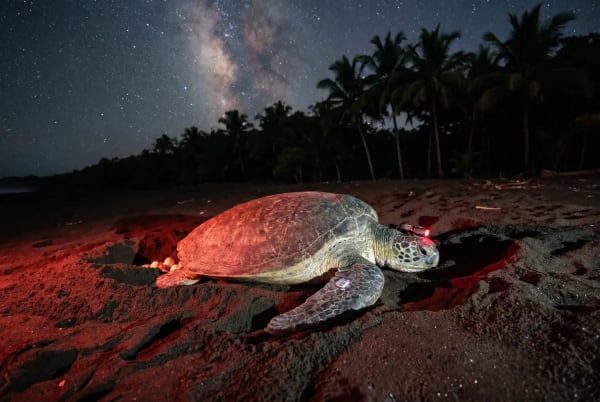
Green sea turtles come to lay eggs on the Caribbean beaches of Tortuguero from July to October — peak in August and September. Leatherback turtles are already active from March to July. Tours take place exclusively at night, with an authorized SINAC guide and in small groups of a maximum of 8 people.
In the dry season (December to April), the Pacific has blue skies, the Caribbean is wet — Pacific first recommended. In the green season, the Caribbean has its driest weeks in September/October, while the Pacific is raining — Caribbean first. This reversal logic is the difference between a dry and a rainy trip.
Individually plan your Costa Rica trip
The right travel time is one aspect — it is crucial that the travel time window, route, and wildlife priorities match. We know Costa Rica personally and plan your trip individually — tailored to your travel period and your wishes. Request non-binding advice .
More Costa Rica guides
- Arrival & flights to Costa Rica — Direct flight, SJO vs. LIR, domestic flights SANSA
- Costa Rica National Parks — Manuel Antonio, Corcovado, Tortuguero and all important parks
- Packing list Costa Rica — Clothing for four climate zones
- Region: Arenal & La Fortuna · Monteverde Cloud Forest · Manuel Antonio · Corcovado & Osa Peninsula · Tortuguero
Your dream holiday, tailor-made by true connoisseurs.
From the first spark of inspiration to the moment you return home full of stories, we’re by your side – whether by phone, email or WhatsApp, whenever you need us. Every journey we design is as unique as you are: individually crafted with exclusive privileges and exceptional arrangements that make your experience truly unforgettable.
Experts for your trip

You might also like this
This image was generated with AI.

This image was generated with AI.
This image was generated with AI.