



Peru's South - White City, Lake Titicaca & Machu Picchu
From Lima's coastal district Barranco, over volcanoes, canyons, and the Altiplano to the Inca citadel
From Lima's coastal district Barranco, over volcanoes, canyons, and the Altiplano to the Inca citadel
This journey takes time for the south of Peru – the region that most round trips rush through. From Lima, it goes to Arequipa at the foot of three volcanoes, further into the Colca Canyon, to Lake Titicaca, and into the Tinajani Canyon, before the Belmond Andean Explorer takes you over the Altiplano to Cusco. At the end stands Machu Picchu, reached by the legendary Hiram Bingham train.
- Two Belmond trains on one journey
- Picantería tour in Arequipa
- Condors over the Colca Canyon
- Uros Islands on Lake Titicaca
Price
from €12,000 per person plus flights
Best time to travel
May to October
Flight time
14h from Frankfurt a. M.
Recommended Duration
from 16 days


We plan your trip individually for you
This is what your 16 day round trip could look like
Itinerary

Lima – Barranco and the Pacific
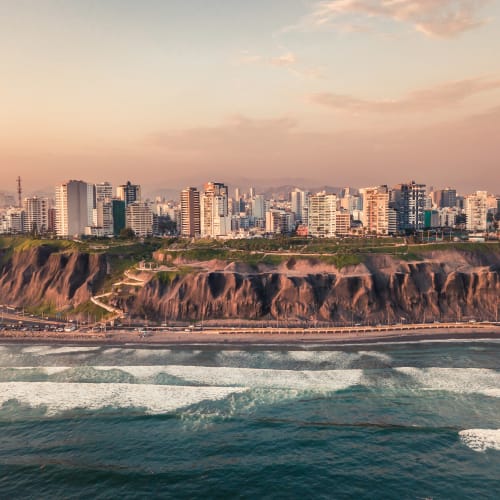
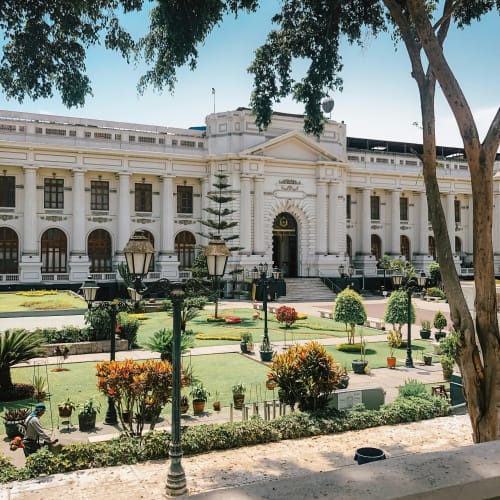
Your start is in Barranco, Lima's artist district, where colonial and republican houses have turned into studios and small museums – you can visit those by Jade Rivera and Víctor Delfín. The path leads over Boulevard Sáenz Peña and dozens of murals to the Puente de los Suspiros, which Chabuca Granda dedicated one of her most famous songs to. The promenade high above the Pacific belongs to the most beautiful walking paths in the city.


Arequipa – White City and Picantería cuisine
Arequipa was founded in 1540 and lies at the foot of the volcanoes Misti, Chachani, and Pichu Pichu. Its buildings are made of Sillar, the white volcanic rock that gives the city its nickname – most impressively seen at the arcades of Plaza de Armas and the cathedral in neo-Renaissance style. The Santa Catalina Monastery is a city within a city: narrow alleys in oxblood red and indigo blue, quiet courtyards, paintings of the Cusco school. And then there's the food: Arequipa is particularly known for its culinary traditions. In the Picanterías, you embark on an unforgettable taste journey.


Colca Canyon – Condors and terraced fields
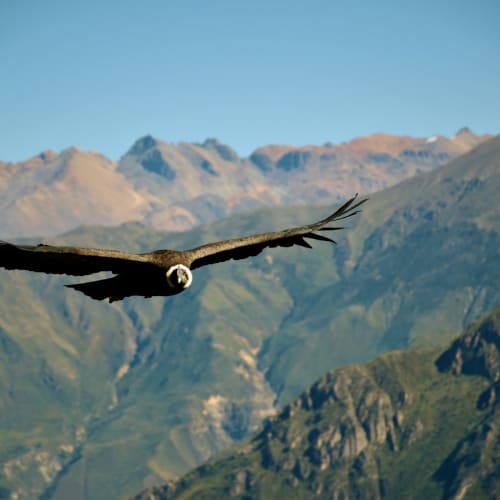
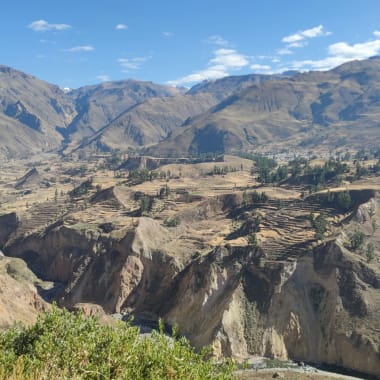
The Colca Canyon is twice as deep as the Grand Canyon, and in the mornings, Andean condors circle above its edges. Your camp is in the middle of the valley, and you put together the excursions on-site: up to the Chimpa fortress, to the caves of Pumunuta, to the geyser of Pinchollo, or through the Canocota gorge to the archaeological site of Malata. Farmers cultivate terraces all around, in use since pre-Inca times. Those preferring a quieter experience can stay in the village of Sibayo and explore the pre-Incan caves and volcanic landscapes.

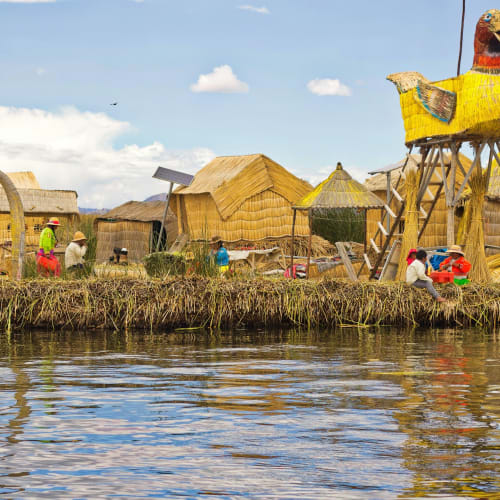
Lake Titicaca – Expanses of the Altiplano
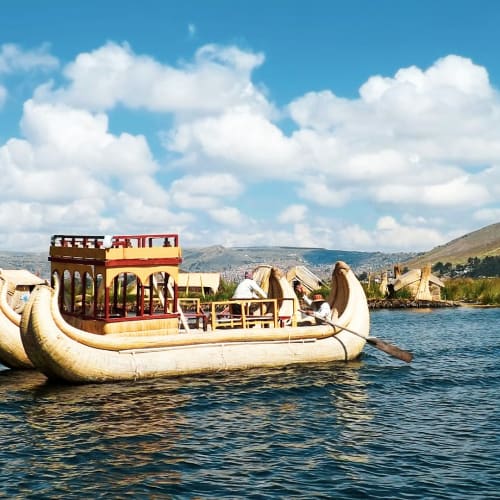
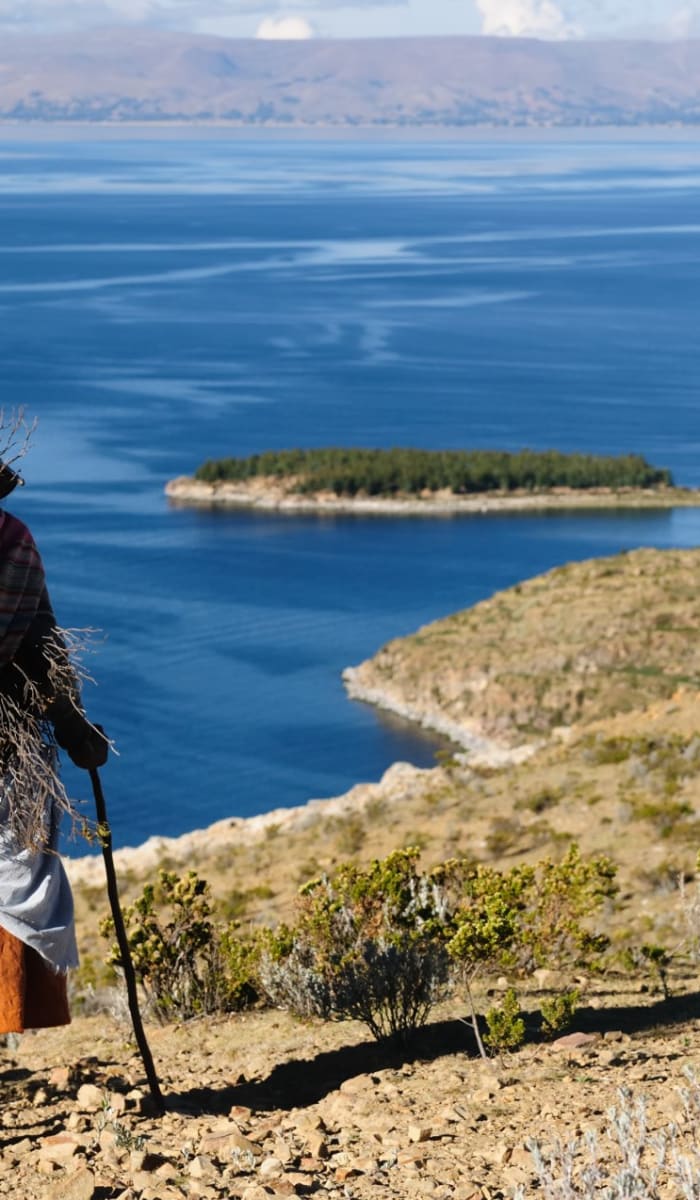
At 3,800 meters, another world begins: Lake Titicaca is the highest navigable lake on earth, and your hotel is on its own peninsula with water on both sides. From here, you sail to the floating reed islands of the Uros, follow the Aymara route to the villages on the shore, or visit the burial towers of Sillustani high above the Umayo lagoon. The table is filled with what the lake and Altiplano provide – trout, quinoa, and potato varieties found only here. And because the light at this altitude falls differently, an afternoon on the terrace is almost as rewarding as any excursion.

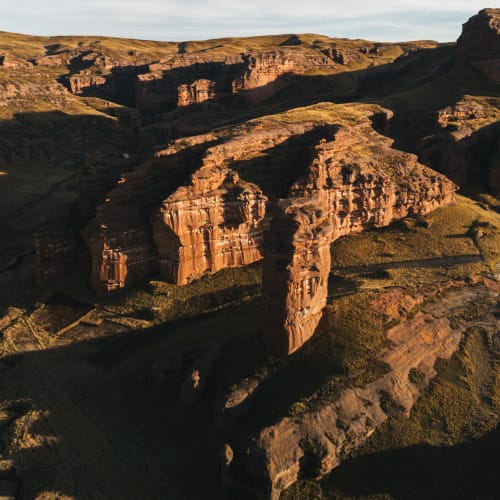


Tinajani Canyon – Red rocks and starry skies
North of the lake opens the Tinajani Canyon: red rock formations shaped by wind and water into towers and gates, interspersed with a forest of meter-high Puya Raimondii, the world's largest bromeliad. You will sleep in a glamping camp in the middle of the canyon, with breakfast outdoors and a view of the rock walls. In Pucará, potters work after a tradition older than the Incas – their ceramic bulls still stand on rooftops in the region today. And because there is almost no light pollution here, reading the Andean sky is one of the most beautiful parts of the evening.


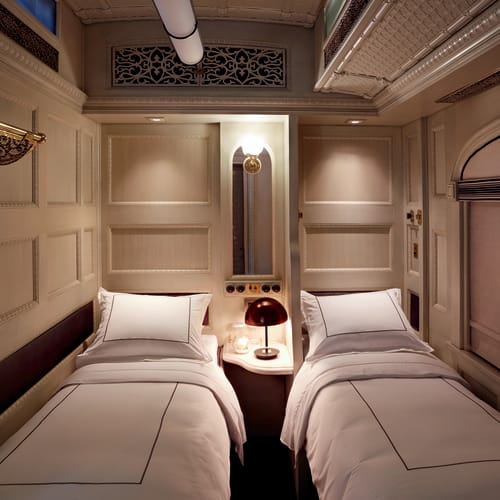

Belmond Andean Explorer – A night over the Altiplano
The Andean Explorer is one of the highest luxury trains in the world, and the journey from Puno to Cusco is its most beautiful section. Peruvian cuisine is served in several courses, in the piano carriage there are canapés and cocktails, and on the open platform at the end of the train, the Altiplano passes by. Along the way, the train stops at the archaeological complex of Raqchi with the immense temple of Wiracocha and at the La Raya pass at 4,319 meters. The train stops on an open track overnight, in the morning, you will be awakened by the light over the high plateau before you arrive in Cusco.


This image was generated with AI.
Sacred Valley & Machu Picchu – Terraces, salt, and the citadel
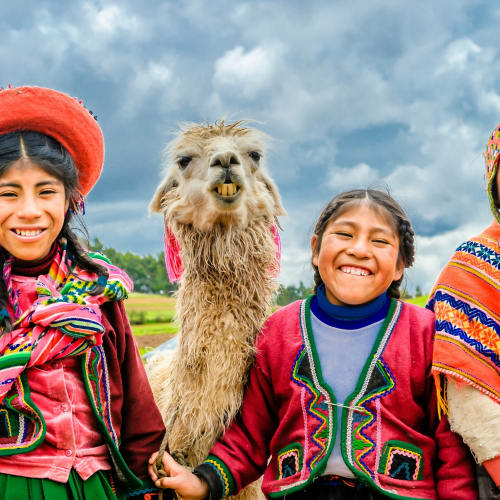
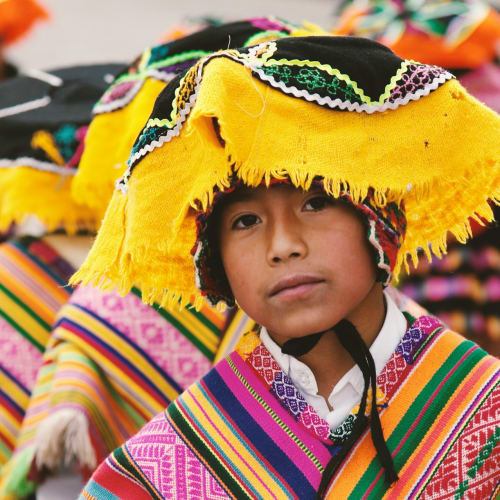
After the night on the train, you go directly from the station in Cusco down into the Sacred Valley, which lies comfortably lower at 2,800 meters than everything you have experienced in the previous days. Between the Urubamba River and terraced hills, lie the salt pools of Maras, the concentric circles of Moray, and the fortress of Ollantaytambo, whose stone blocks come from a quarry on the opposite side of the valley. In the villages above the valley, weavers still dye their wool with cochineal and indigo and show you how the patterns made from alpaca wool differ from each community.

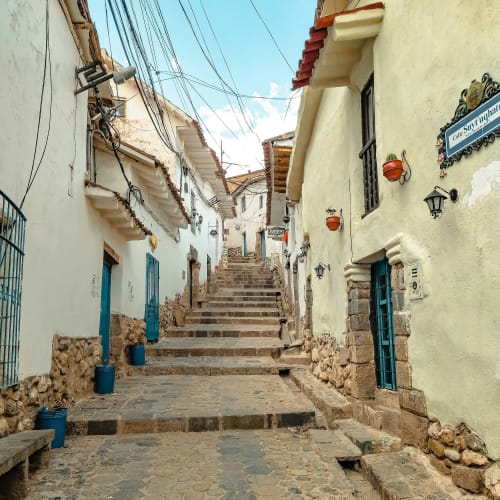
Cusco – The Inca heritage
For Machu Picchu, you board the Hiram Bingham at Ollantaytambo: welcome cocktail, multicourse lunch, live music in the bar car, and a panoramic car. On the Machu Picchu circuit, you walk through the impressive ruins, the history of which you won’t easily forget. The last stop, Cusco. In Cusco, colonial palaces stand on Inca walls: The Qorikancha was the sun temple of the empire before the Dominican monastery was built above it, and the cathedral at Plaza de Armas rises above the palace of the Inca Wiracocha. Above the city lies the fortress of Sacsayhuamán, whose massive stones fit seamlessly together. Three nights allow time for what is usually missed on shorter trips: the artist district San Blas with its workshops, Mercado San Pedro in the morning, a cooking class with ingredients from the market, and evenings in restaurants that reinvent highland cuisine. And because you are already used to the altitude, there’s time for an excursion into the surroundings – to the Humantay lagoon, for example, or to the weaving villages south of the city.

The accommodations



What makes us special
With us you always come first!
Contact person
Director of Sales & Office Manager


You might also like this

Peru
Peru for small and big explorers
- Lima's artists' district
- Dunes & Sea Lions
- Sacred Valley
- Machu Picchu & Cusco
- Amazon Adventure
from 15 days
on request

Galápagos Islands & Peru
Peru & Ecuador: Between Andes, Inca City and Galápagos
- Machu Picchu intensive
- Experience Galápagos up close
- Culinary delights in Lima
from 16 days
from €10,400