


PUQIO
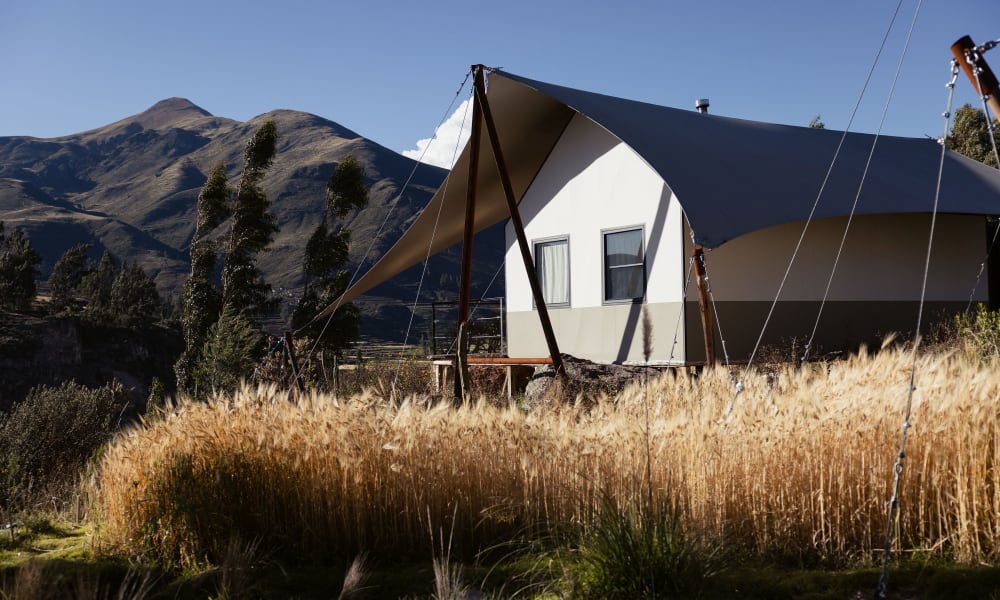
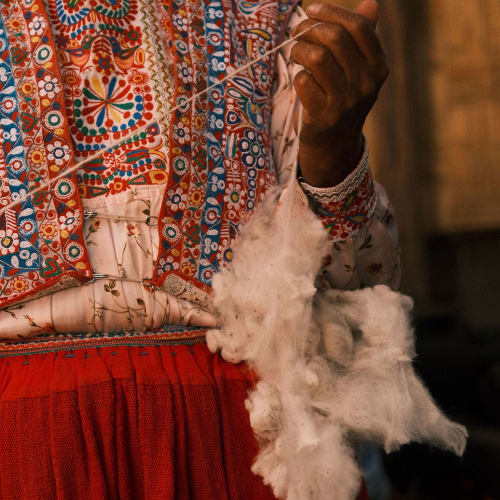
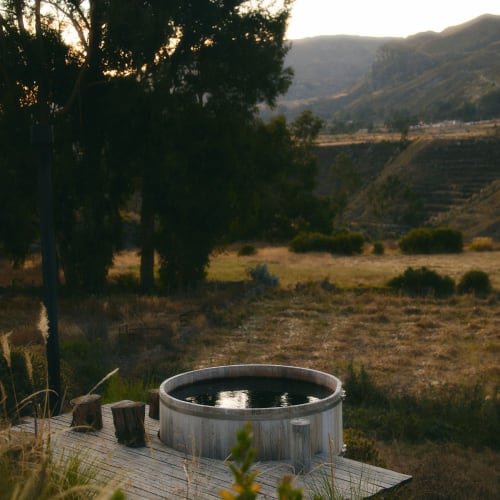
In the Colca Valley, a spring is more than just a detail of the landscape, as the water from the mountains keeps the fields alive here. One of these springs, a puquio, originates on the grounds of PUQIO and has given the place its name. Today, canvas tents stand next to adobe buildings, together capturing the spirit of early expedition camps without sacrificing warmth and tranquility. In the evening, guests gather in the Main House after their tours, where the earthen walls and woven textiles give the room a lived-in feel. From there, garden paths lead out to open terraces where one can watch the light move across the slopes of the valley.
Details
Country
Peru
Location
Colca Valley
Price
from €650 per night/person
Best travel time
May - October


Rooms
Guests can sleep either in a tent or in a room made of adobe bricks. The Carpa is a freestanding tent with a seating area outdoors, and showers can be taken indoors or outdoors, where the bathtub is also under the open sky. The Carpa Refugio, the most spacious of the tents, offers a private living area and a separate ante-room for boots and equipment. The Pirca are more simply furnished, with a bathtub and an indoor shower, and from the seating area in front of the door, you have some of the most beautiful views in the camp. Two Pirca can be connected through a shared entrance area, which is convenient for travelers together. In all accommodations, there is a wood stove for the cool nights, and the bed can be arranged as a king size or as two single beds.


Culinary
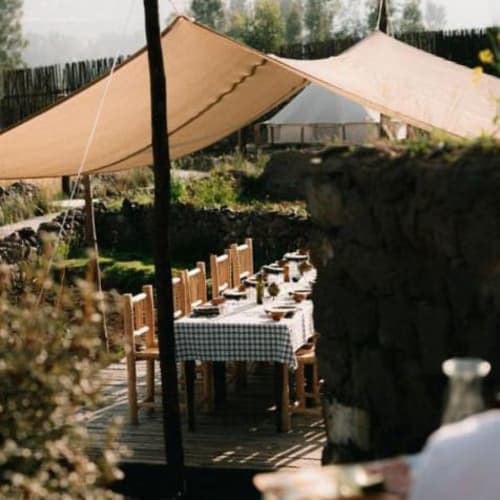
The focus of the cuisine is the fire: Cooking takes place in clay ovens and over an open flame, and for the Pachamanca, the traditional earth oven of the Andes, potatoes and alpaca meat, wrapped in mountain herbs, are cooked on hot stones. What is needed grows partly in the camp's own garden, with the rest coming from the fields of farmers in the valley. There is no fixed menu; what is cooked depends on the season – sometimes a hearty soup made from fava beans, sometimes trout from the Andean waters with fresh vegetables. The bread also comes fresh from the oven every day and changes its flavor, from purple potato to amaranth. Served family style, with large platters in the middle from which you take as much as you like, without anyone watching the time.


Activities
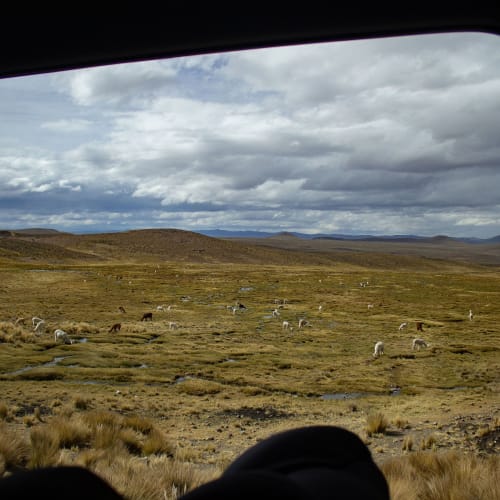
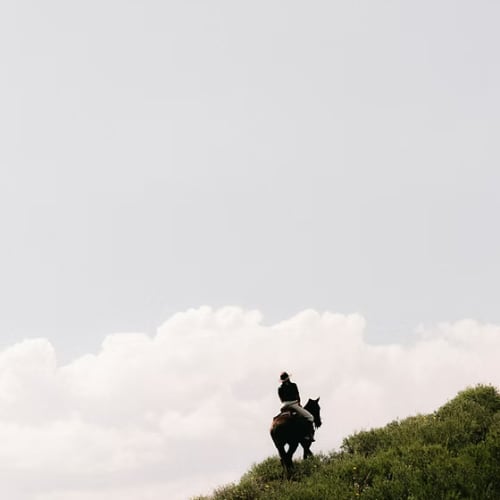
The excursions vary from day to day, and you are usually out in a small group with a guide from the region, also privately upon request. Not far from the camp are the ruins of Uyo Uyo, an old settlement of the Collagua, which is easily reachable on foot. For half a day, you will continue into the canyon, for example to the fortress of Chimpa high above the gorge. From there, with a bit of luck, Andean condors can be seen, especially in the morning when they take advantage of the rising warm air. A hike through the Canocota Canyon requires more time, with a whole day planned for it. Even further, expeditions lead into the highlands with its geysers and to the symbolic origin of the Amazon, which must be planned in advance.
Location
The Colca Valley runs north of Arequipa through the Andes in southern Peru, and the Río Colca has carved deep into the volcanic rock here. Further downstream, this becomes the Colca Canyon, which is among the deepest gorges on Earth. In the upper, more open section lies the village of Yanque, and about one and a half kilometers away, PUQIO stands at over 3,400 meters in elevation. The valley sides are covered with terraces that were established before Inca times and are still cultivated today. To the south, volcanoes enclose the landscape, including the Sabancaya, which is still active.
Contact person
Director of Sales & Office Manager


